How to Use Earth Tones at Home: 35 Designer Color Palettes (and the Rules That Make Them Work)
We'll always love a high-contrast black-and-white moment or a bold tropical palette—but earth tones are the colors people come back to over and over again. Warm brown, serene sage, dusty terracotta—they cozy up a room without trying, and they've been doing it for centuries.
Right now, with organic modern and all-brown-everything leading the design conversation, earth tones are having another moment. But unlike a trend, they don't expire. The palettes below will keep working long after the next color of the year cycles through.
"Earth tones are my go-to when I'm trying to create a calm, comforting, warm atmosphere," says Havenly lead designer Toussaint Derby. "They all contain some brown pigment, which is why they read as muted and have that cocooning effect on a space."
Her number-one tip for pulling them off: texture. "To add depth and contrast to grounded earth tones, texture is essential. Layer in varied materials—leather, rattan, jute, shearling, faux fur, linen—and the palette stops feeling flat and starts feeling rich."
Ahead, 35 designer-approved earth tone color palettes for the home—plus the rules that make them all work.
What counts as an earth tone (a quick definition)
Before the palettes, let’s define our term of the moment: an earth tone is any color with brown pigment mixed in. That's why earth tones look muted compared to their pure counterparts—a sage green is just a green with brown in it. A terracotta is an orange with brown in it. A dusty pink is a pink with brown in it.
This is also why earth tones layer so well together—they share a common ingredient. They don't fight each other the way pure, saturated colors can.
Earth tones break loosely into two temperature families:
Warm earth tones: terracotta, rust, cognac, ochre, mustard, camel, burnt orange, dusty pink, oxblood, brick
Cool earth tones: sage, olive, evergreen, charcoal, pine, dusty blue, taupe, greige
You can mix warm and cool earth tones in one room—most of the palettes below do. The key is to pick a dominant temperature and use the other one as an accent.
1. Camel, brown, and ivory
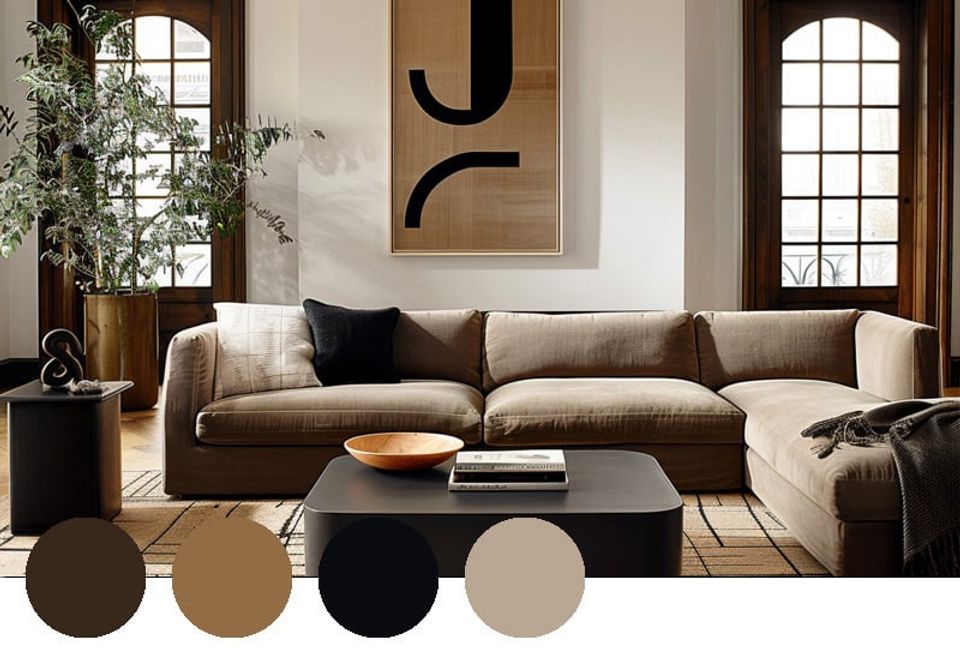
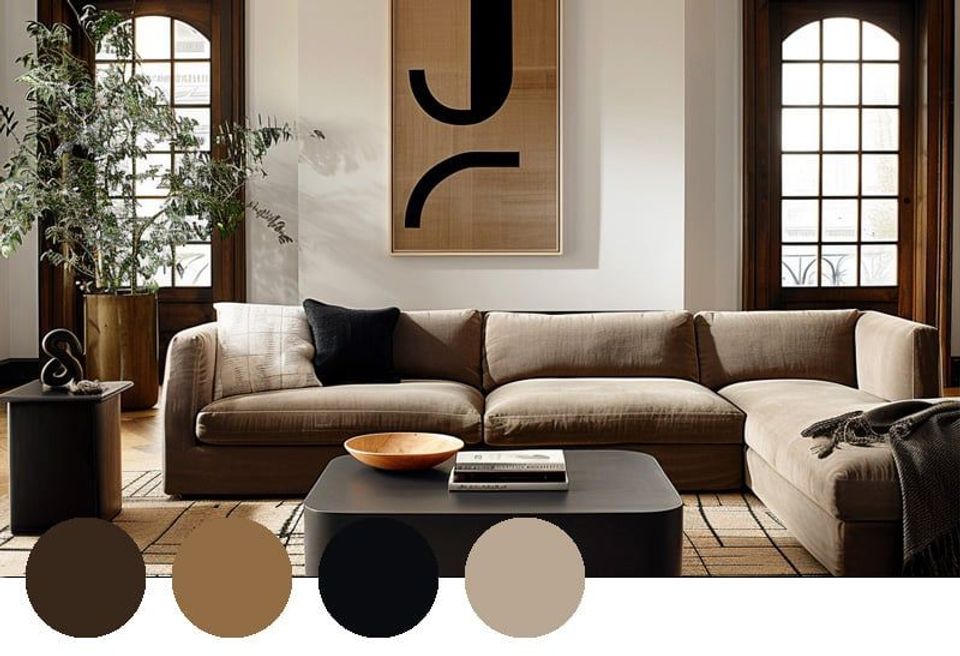
For a palette that leans neutral and minimalist, layer shades of brown, light beige, rich camel, ivory, and a hint of black for edge. This one reads modern and contemporary, and looks beautiful with fresh houseplants for a pop of natural green.
2. Soft blue, brass, and walnut
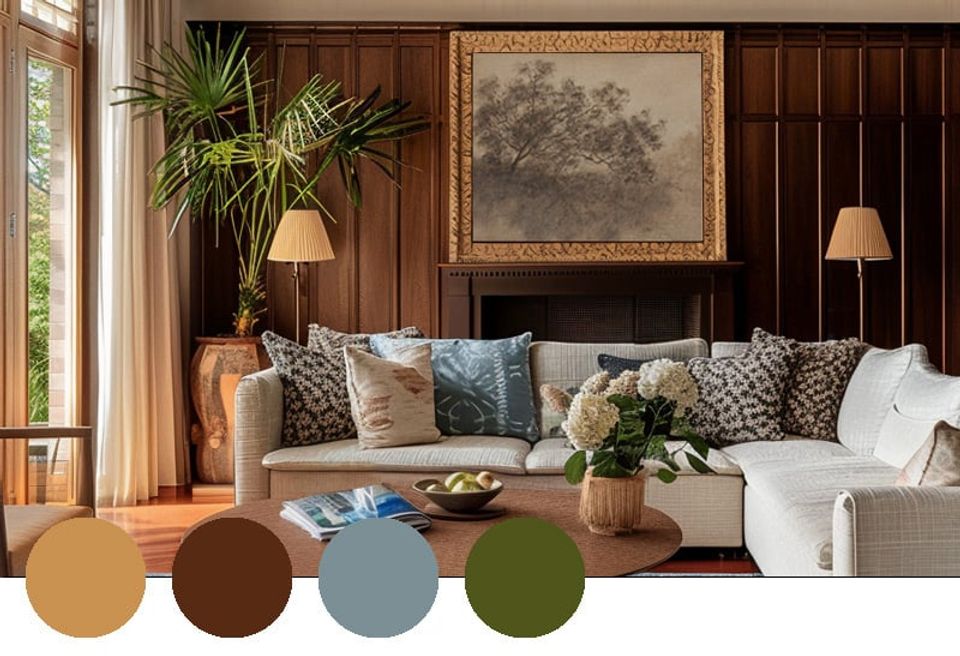
Brown, blue, and brass is a time-honored combination that's both timeless and currently on-trend. Add crisp ivory and fresh blooms for a hint of green and you'll land somewhere between traditional and coastal—100% classic.
3. Evergreen, dusty pink, and ochre
When in doubt, pair cool, bold evergreen with warm-toned ochre, dusty pink, and crisp off-white. The result is moody and saturated without leaning too dark—a classic earth-toned palette that balances itself.
4. Navy, cognac, and beige
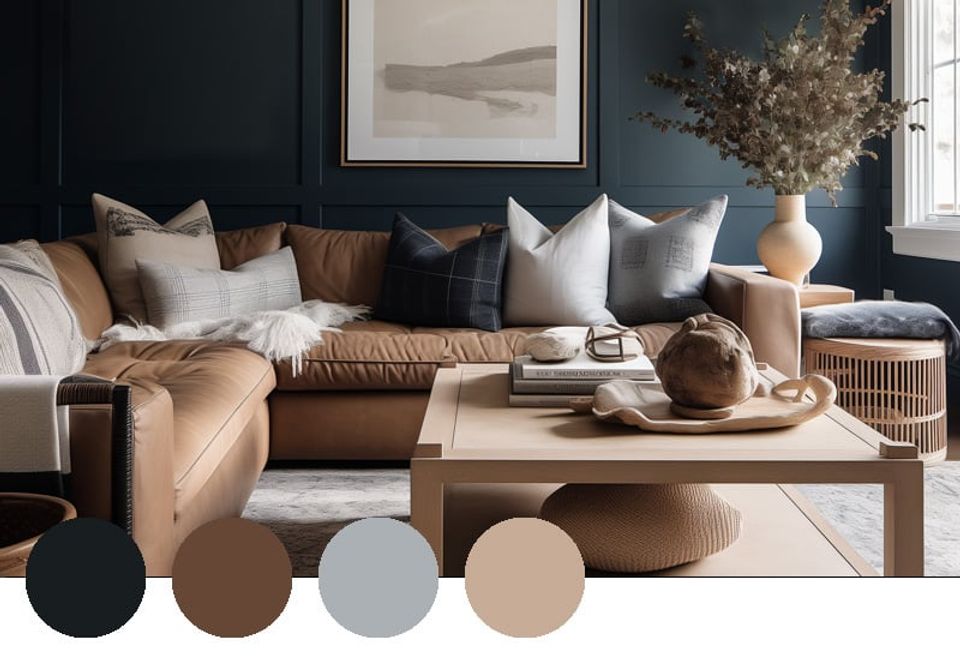
A tried-and-true earthtoned palette: deep navy blue, cognac leather, and shades of ivory and gray. The mix of warm and cool tones creates a layered, cozy space that won't go out of style.
5. Soft coral, French blue, and brown
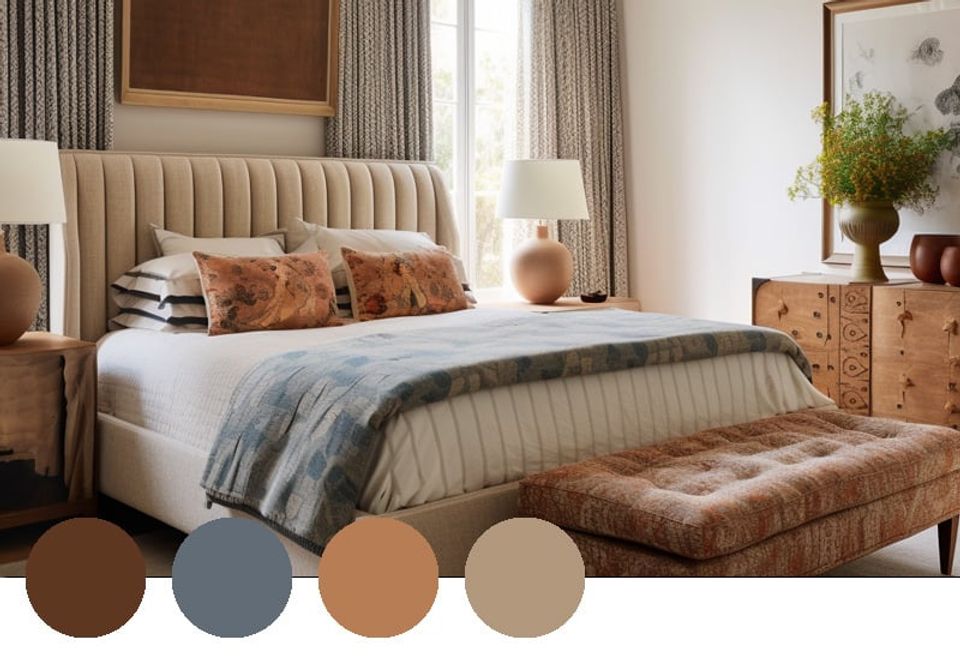
For a serene, calming atmosphere, layer soft French blue, beige, off-white, and shades of dusty coral pink. Complement with natural wood tones and barely-there patterns for a subtle eclectic vibe.
6. Sage, clay, and ivory
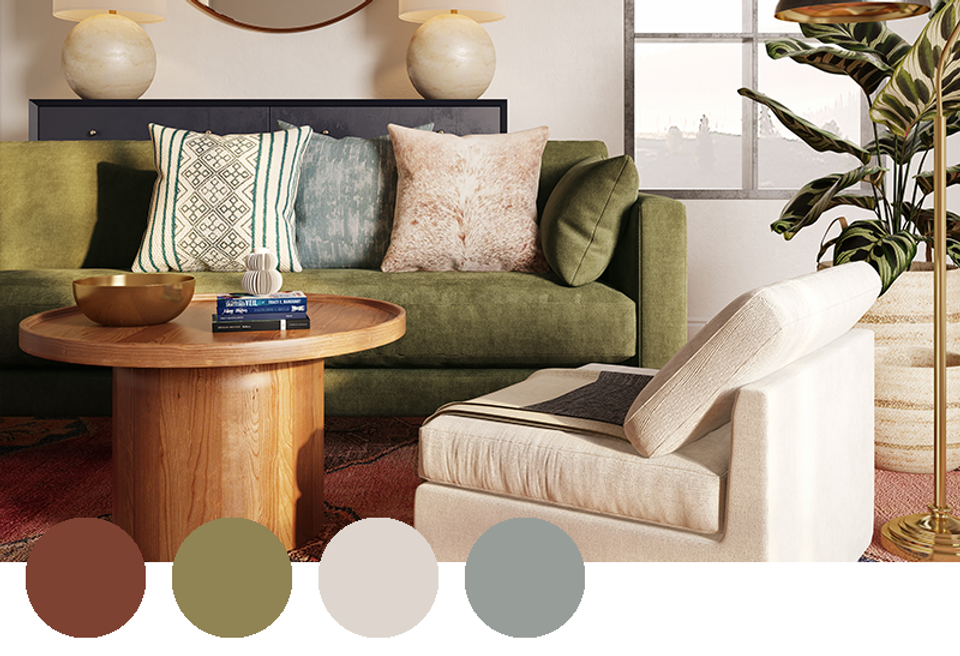
Sage, clay, and ivory with soft blue accents creates a serene, organic environment with a hint of modern elegance. Brass fixtures and hardware complement the sage beautifully—they pull out the green's warmth.
7. Crimson, cognac, and white
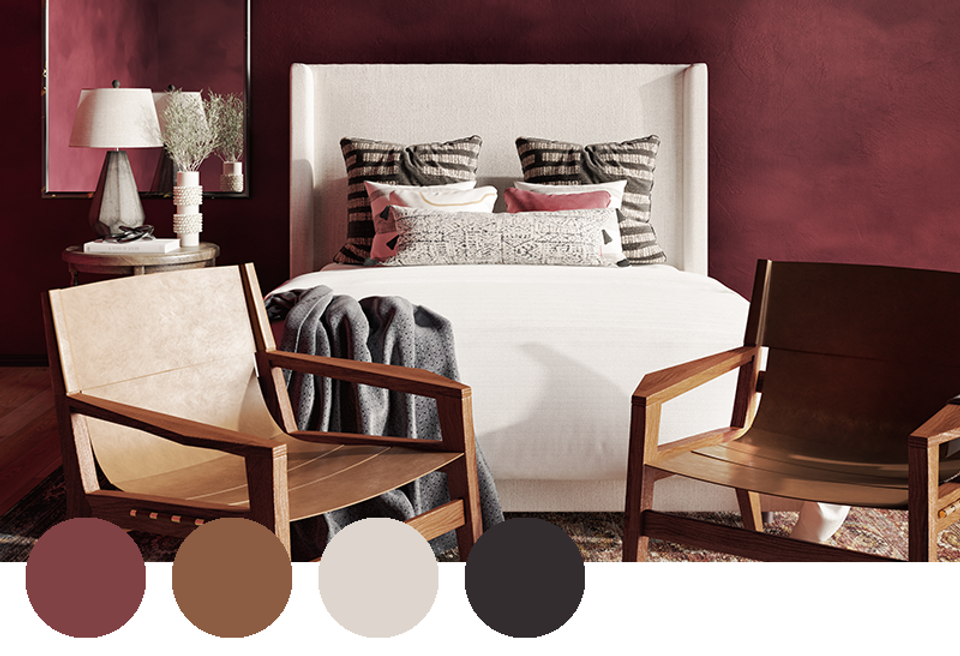
Want to shake things up? Rich crimson, warm cognac, and crisp white give a space a bold, luxurious feel. The rich tones add depth, while the white provides contrast and keeps it from feeling heavy.
8. Forest brown, black, and olive
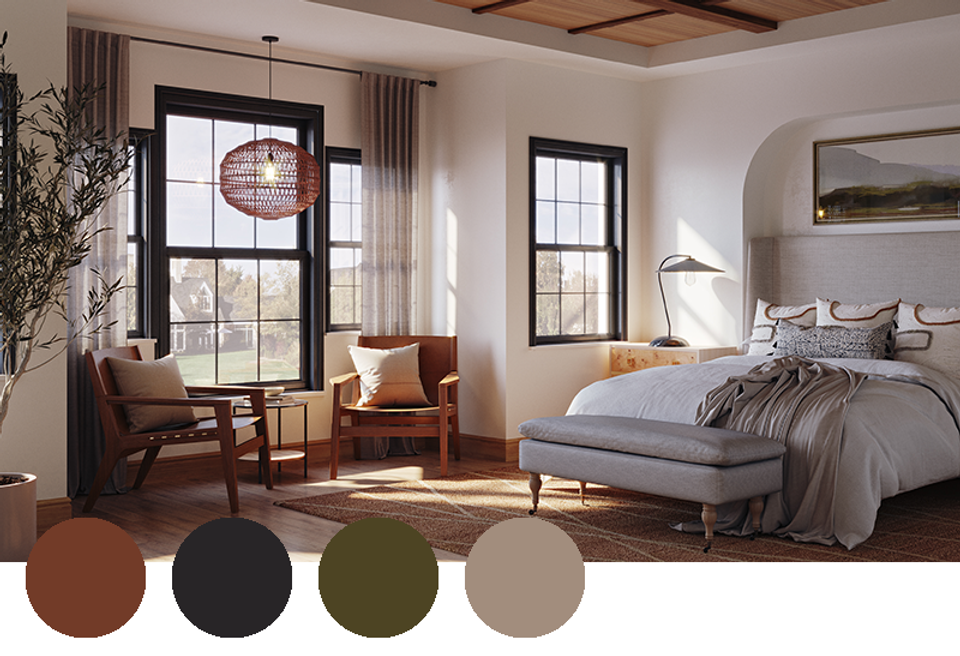
To bring the outdoors in, layer forest brown, black, and olive green. These hues work together to create a laid-back, inviting atmosphere—the brown, taupe, and olive add warmth, while the black brings contrast.
9. Soft neutrals and dusty mauve
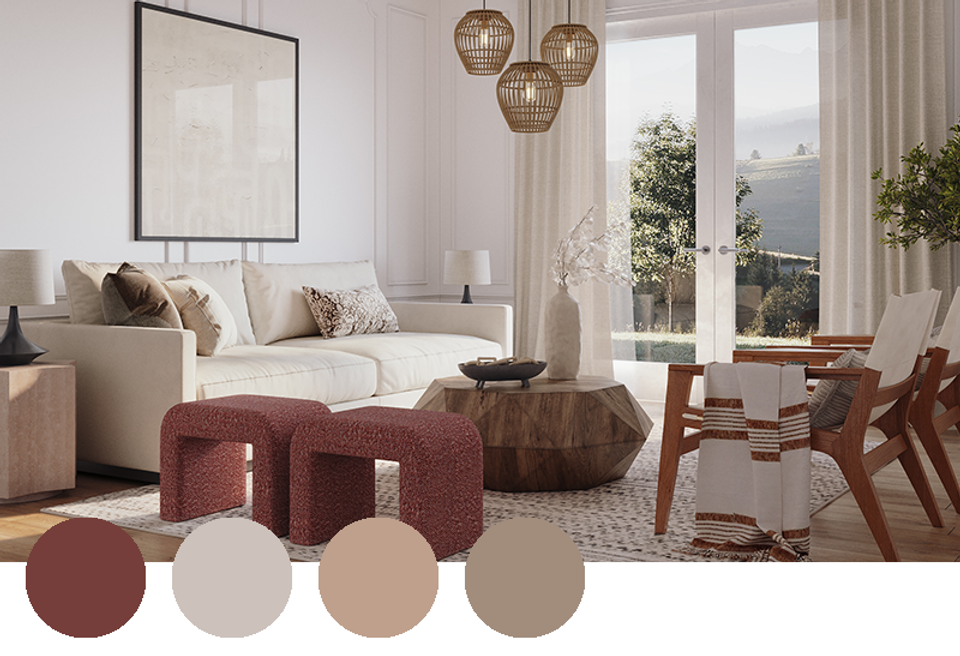
Classic neutrals with soft pops of color create a layered, cozy room. White and beige act as the neutral base; taupe and dusty mauve add warmth and depth. The result is minimal and sophisticated, with a hint of warm personality.
10. Cognac, ivory, and terracotta
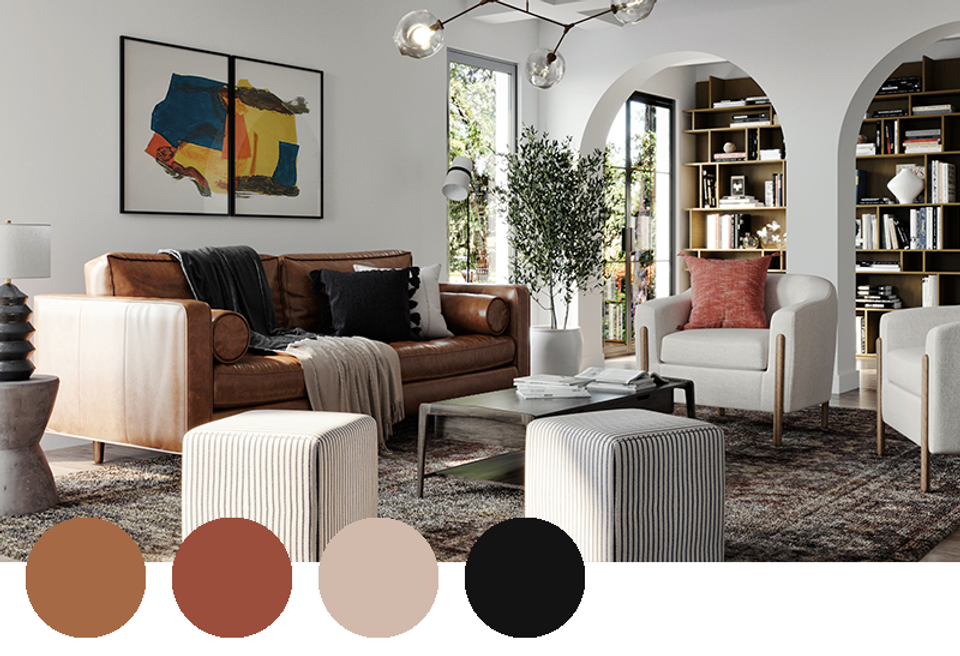
This is a mid-century modern–inspired palette that balances cozy and refined vibes. The cognac leather and terracotta lean warm and retro; the black, taupe, and ivory add elegance.
11. Rust, white, and pops of lime
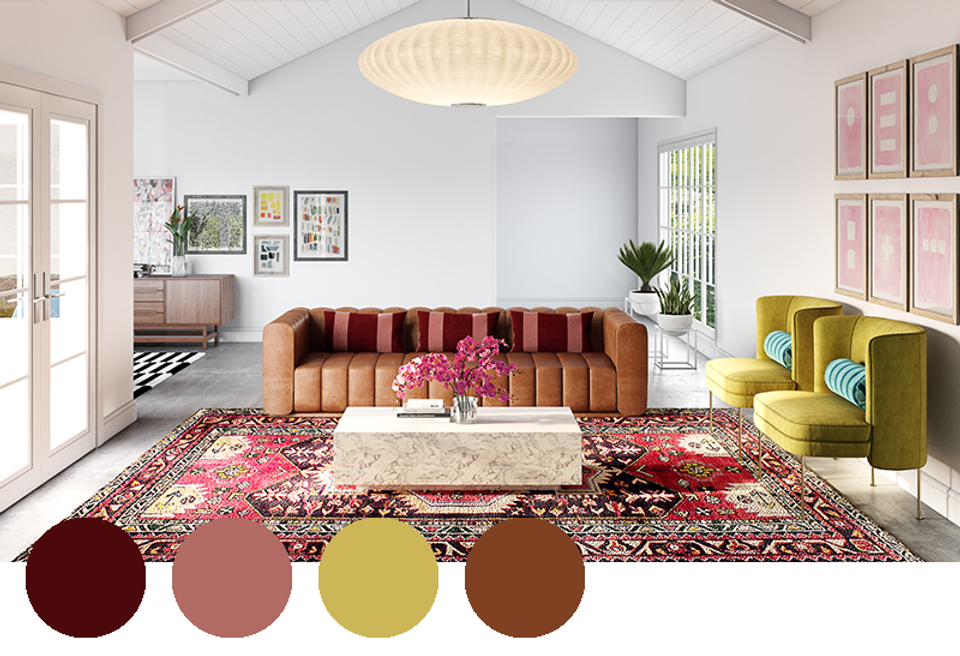
A unique blend of warm earth tones and cool pops of color creates a dynamic, eclectic atmosphere. Brick red and rust add depth; lime green and dusty pink introduce a playful, whimsical edge. Topped with turquoise throw pillows, it reads eye-catching and unexpected.
12. Lemon, marigold, and neutrals
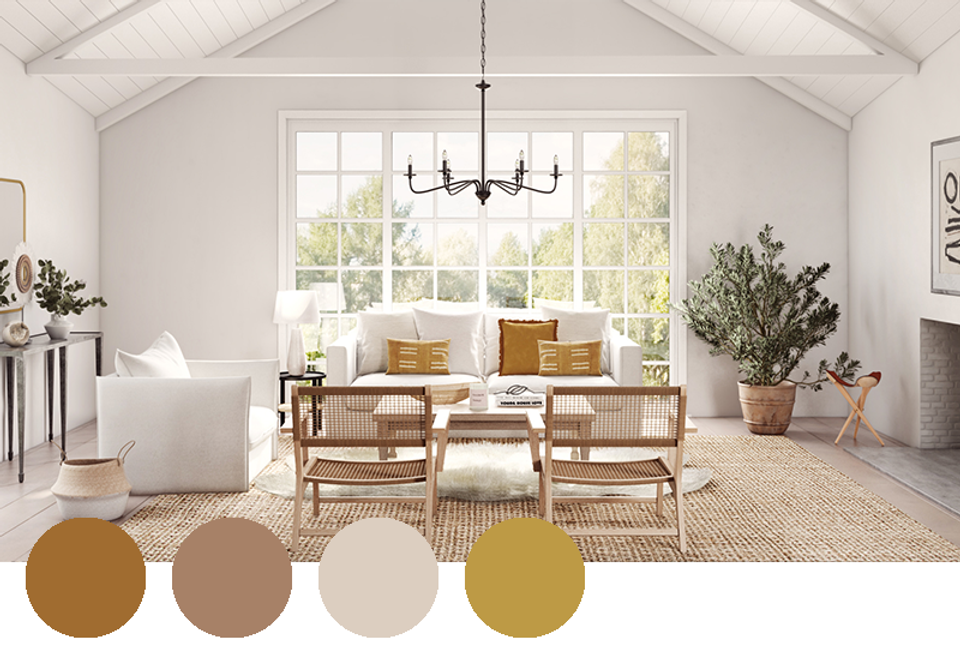
A sunny lemon, marigold, ivory, and tan palette emits warmth and comfort. The citrine accents bring vitality; the ivory and tan keep it grounded and minimalist. Add fresh greenery and it's organic modern perfection.
13. Charcoal and chocolate
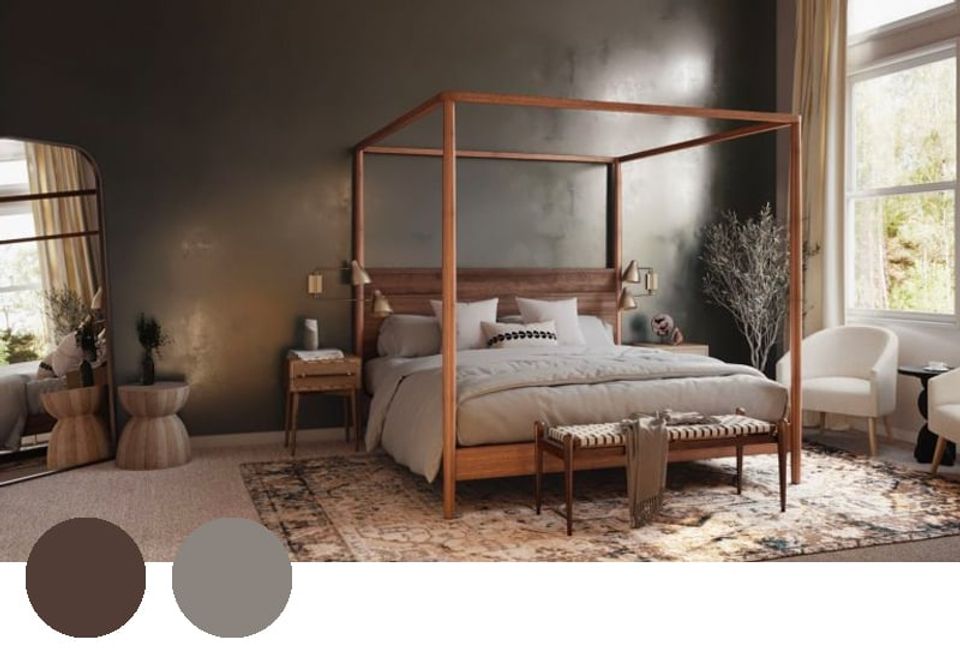
If terracotta and evergreen feel too far outside your comfort zone, try a subtle, neutral earth-toned palette. Charcoal and chocolate—varying shades of brown, tan, and cream mixed with grounding charcoal gray—make for a refined, chic take on the rustic look. Understated but undeniably warm.
14. Evergreen, winter white, and oxblood
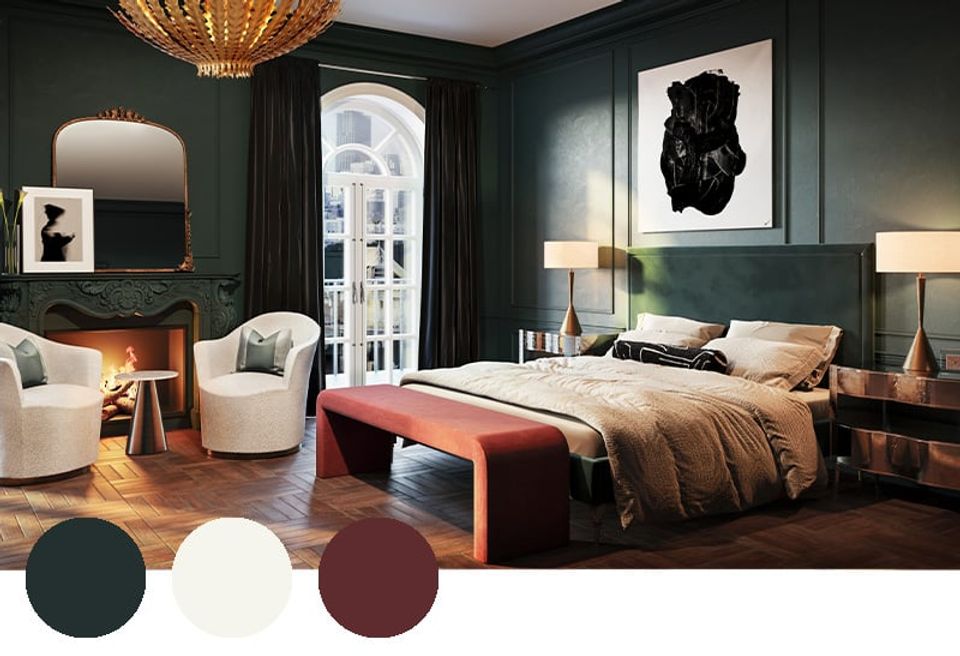
Red, green, and white aren't just for the holidays. They work beautifully year-round, especially when paired with grounding tan, warm wood, and luxe brass accents. When working with bold earth tones, pick one primary color (here, evergreen) and pepper in complementary accents.
15. Latte and spiced red
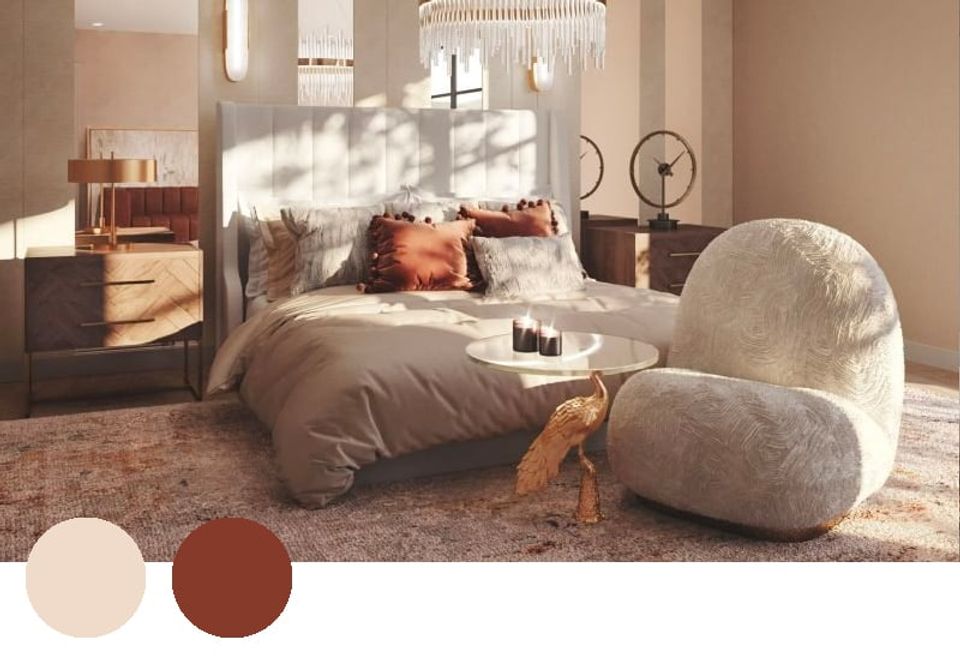
Coffee-inspired browns, warm cream, and spice-rack reds add endless warmth to a space. To pull off this cozy palette, bring in eye-catching brass and rich wood tones to complement the red, and lean on clean, neutral walls to balance.
16. Deep navy and terracotta
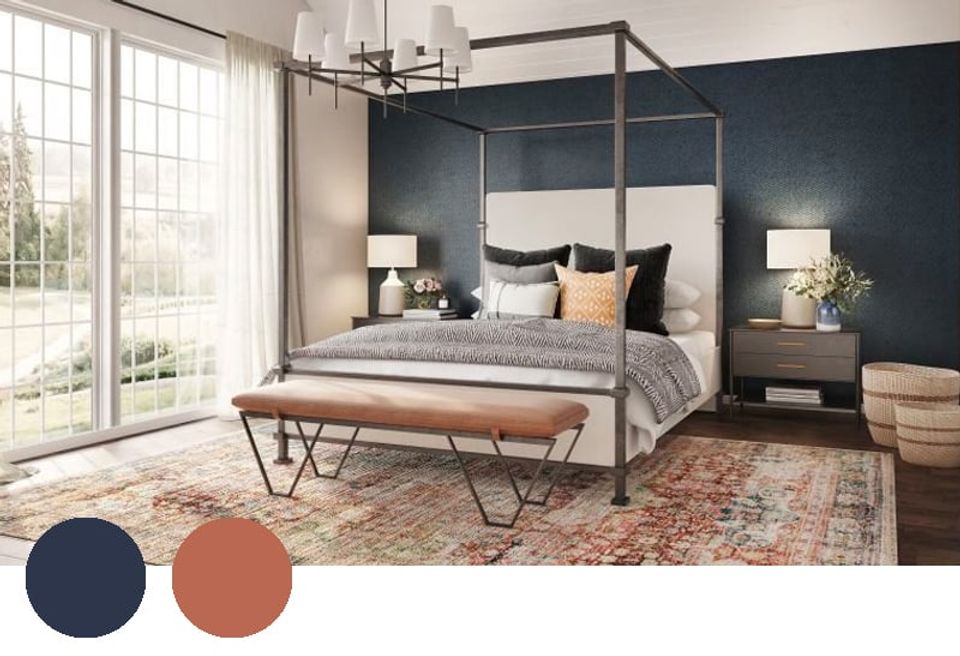
Two complementary colors on the color wheel working well together: cool navy as the hero with terracotta orange as the accent in a bench and an area rug. The contrast creates a dynamic, well-balanced space that still reads earthy.
17. Rust and mustard
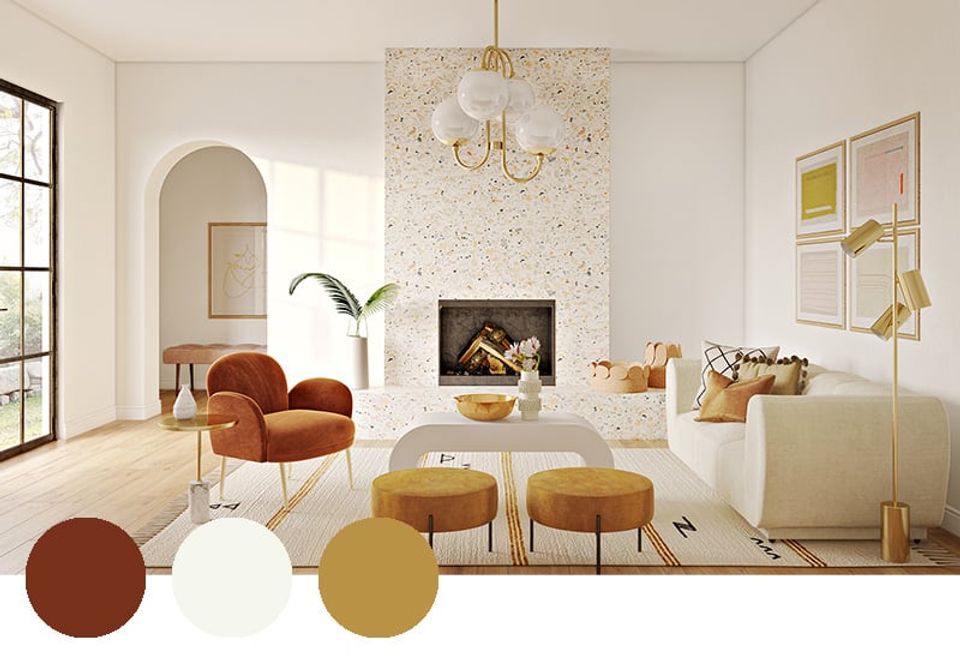
This combination is proof that bold, warm earth tones like mustard yellow and rusty red can absolutely live together. The key: a little goes a long way. Balance the vibrant colors with plenty of crisp white and ivory. Bring color in through accent furniture and decor, not wall-to-wall paint.
18. Black, ivory, and ochre
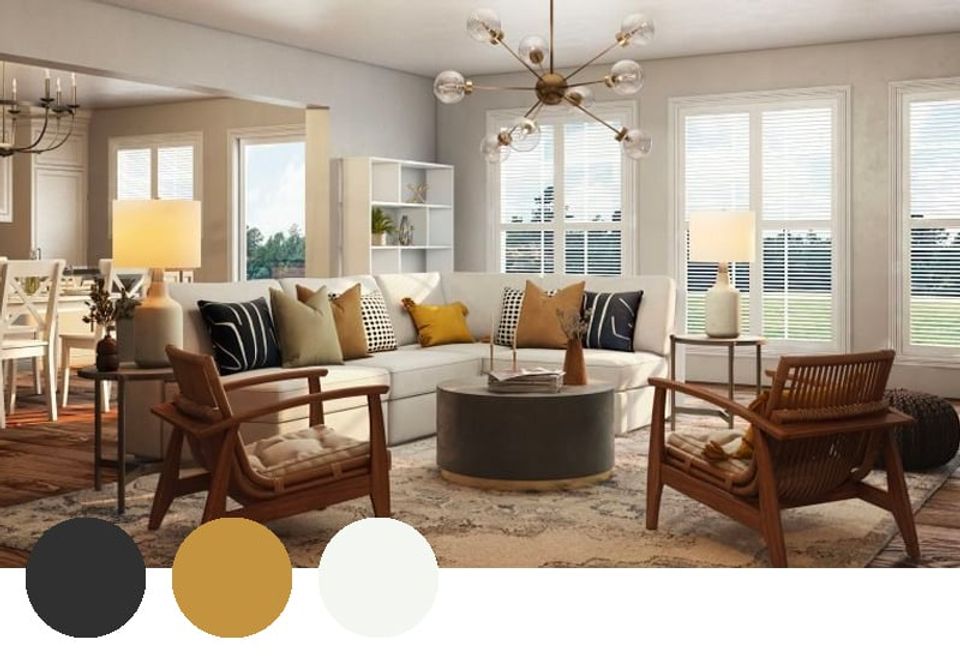
If you favor a neutral palette, stick to black, ivory, and beige with one earthy pop—ochre. This rich, golden tone pairs beautifully with gold or brass accents and adds warmth to an otherwise minimalist aesthetic. A few ochre throw pillows and a vase will do the job.
19. Navy, off-white, and burnt orange
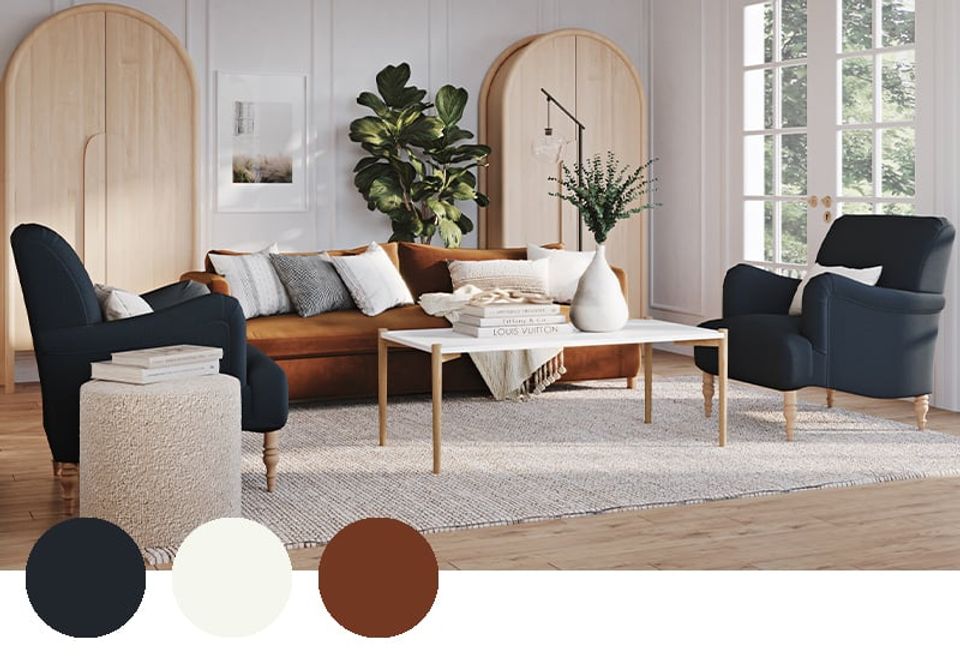
Burnt orange and deep navy are a foolproof match. Brighten the palette with light wood furniture, texture-rich bouclé, hints of brass, and a pop of cool green using live plants. The result is sophisticated, timeless, and understated.
20. Shades of sage
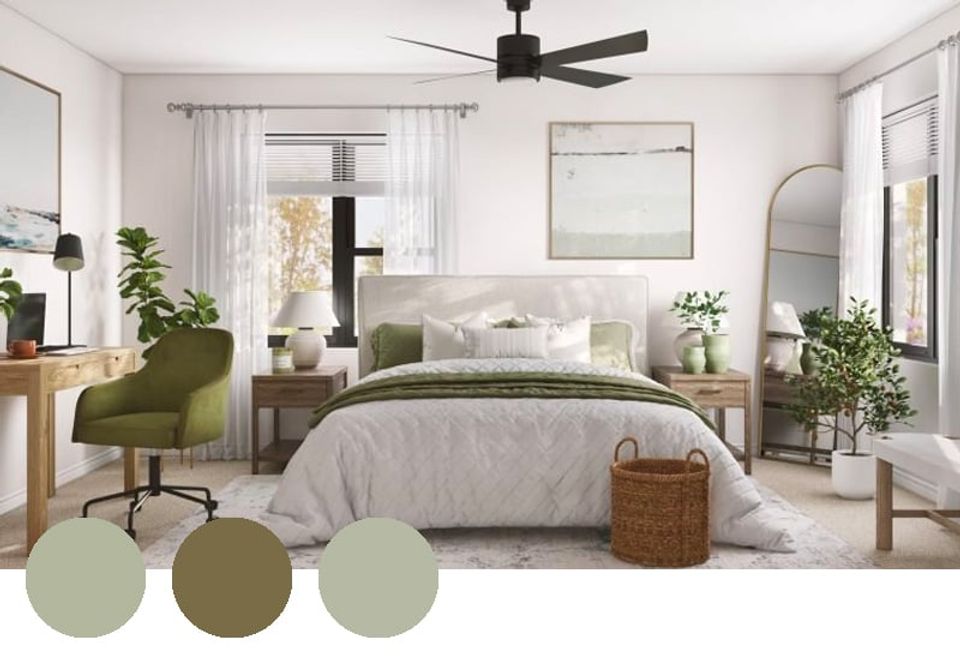
Sage is one of the most popular earth tones, and it's easy to see why. It's calming, it functions as a neutral, and it still adds color. Add contrast with warm wood tones, cognac or brick red accents, and brass hardware.
21. Navy, gray, and pine
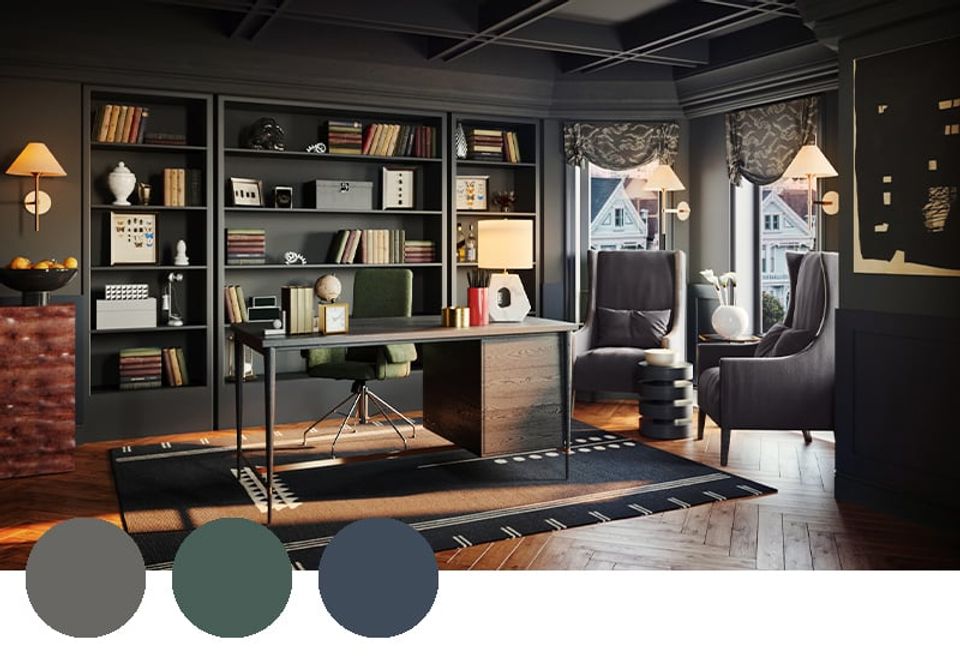
For rich earth tones that still feel bold, layer navy, charcoal gray, and pine green. Paired with warm wood flooring, ambient lighting, and brass touches, this palette feels tailor-made for a moody home library.
22. Olive and bronze
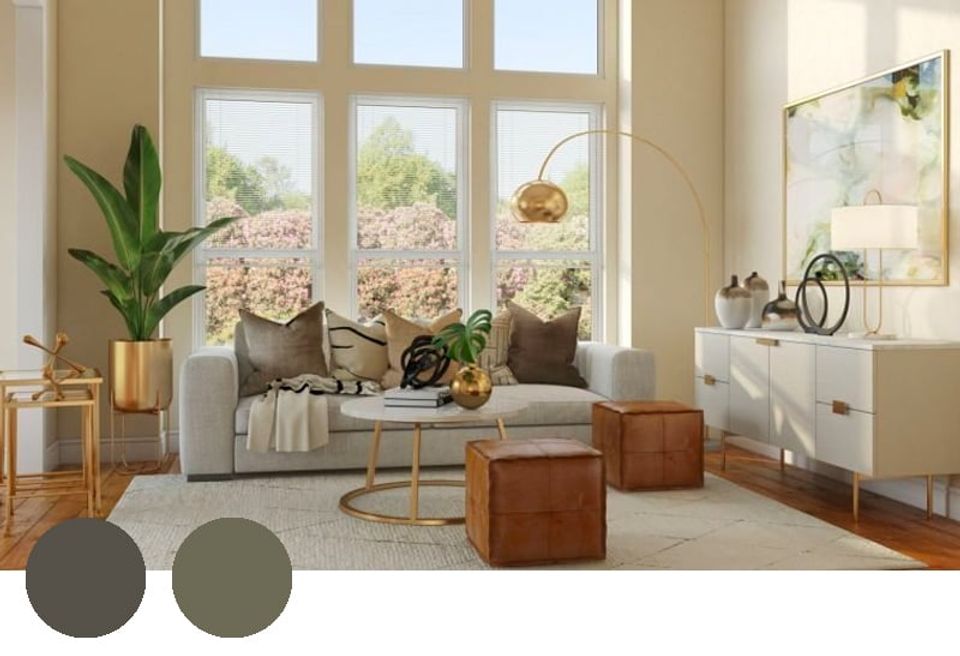
Warm neutrals with yellow undertones paired with cool olive and bronze accents create a sun-filled backdrop that's stylish and inviting. Add warm cognac leather and graphic black-and-white artwork for a dynamic living space.
23. Brown, pumpkin, and leaf green
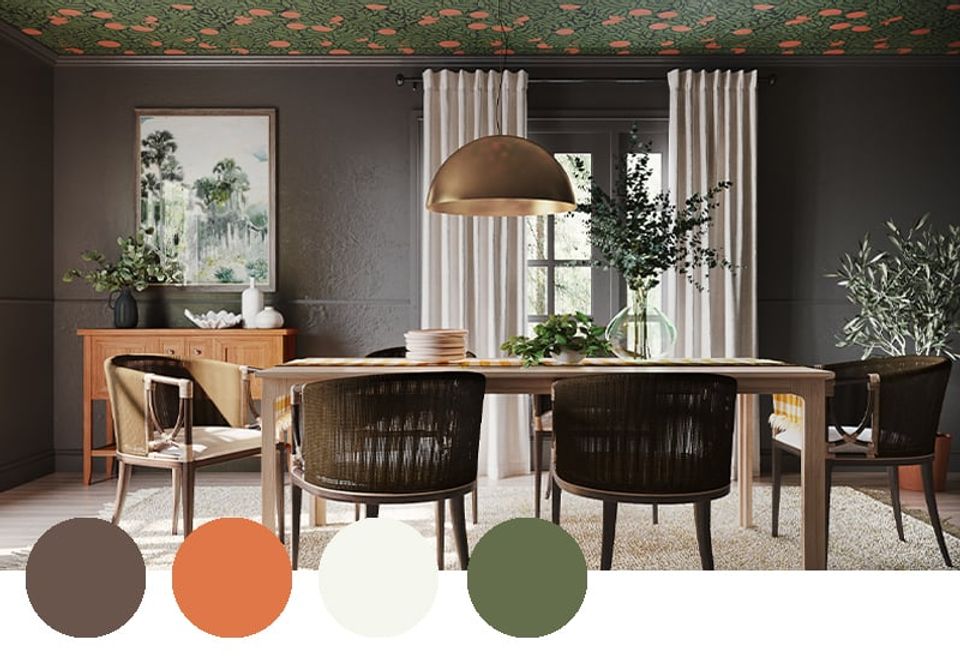
On paper, this reads bold. In practice, leaf green, pumpkin orange, and rich gray-brown pair beautifully. The trick: make charcoal brown the hero, and bring in the green and orange through unexpected places—wallpaper, art, accents. The result feels surprisingly subtle and unique.
24. Dusty blush and taupe
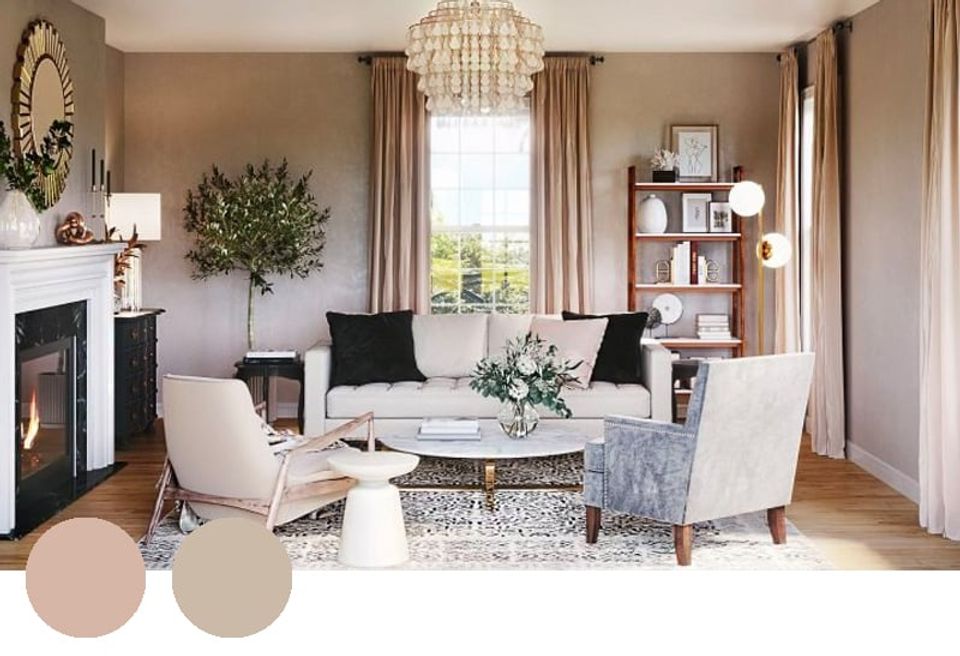
On the softer side of earth tones, dusty blush and warm taupe look particularly elegant together. Consider this combination if your space leans modern-traditional or classic—it's subtle, feminine, and refined. Add a marble coffee table, black throw pillows, and luxe velvet drapes for drama.
25. Emerald, British tan, and wheat
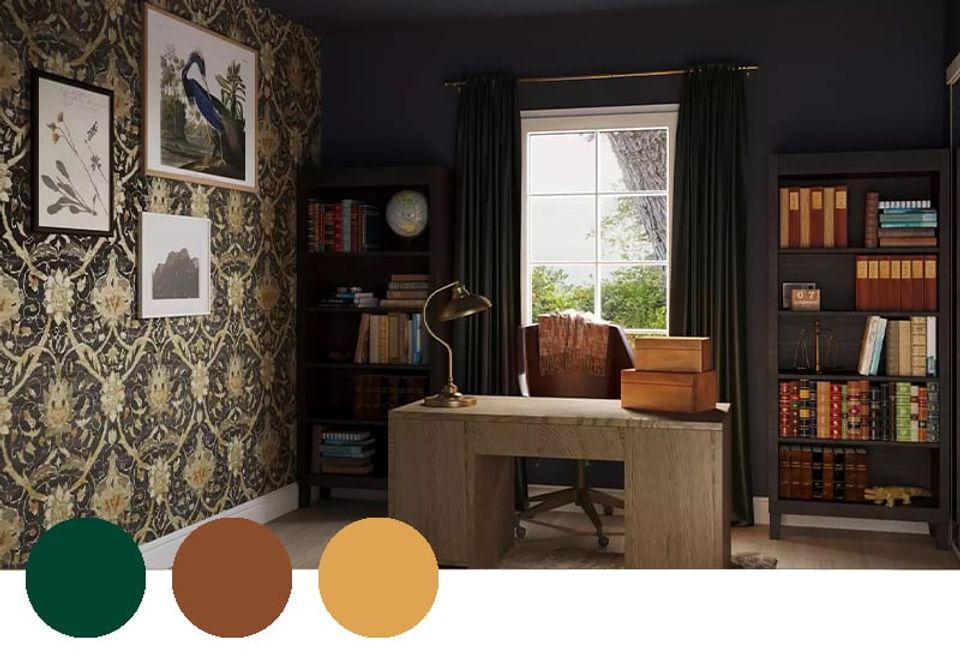
This palette has "fall" written all over it. Emerald green keeps things fresh and crisp; tan and wheat bring grounding warmth. Pair with bold wallpaper and leather-bound books for a timeless, classically autumnal aesthetic.
26. Shades of greige
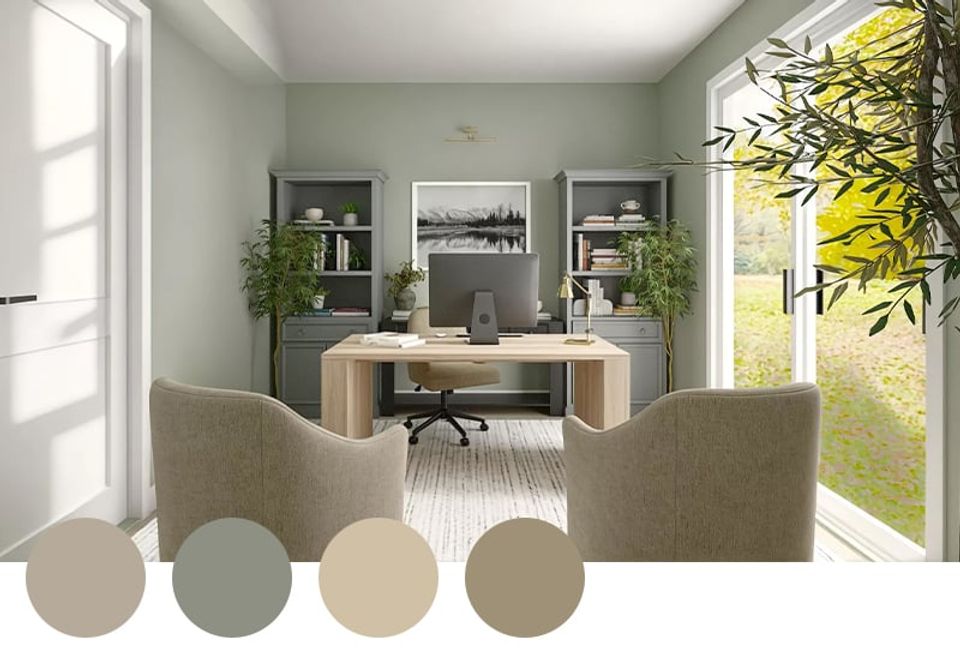
You don't have to venture far outside one color family to create a soothing, earth-toned palette. Soft shades of sage green, greige, tan, and gray create a calming space with a monochromatic edge.
27. Olive and fawn
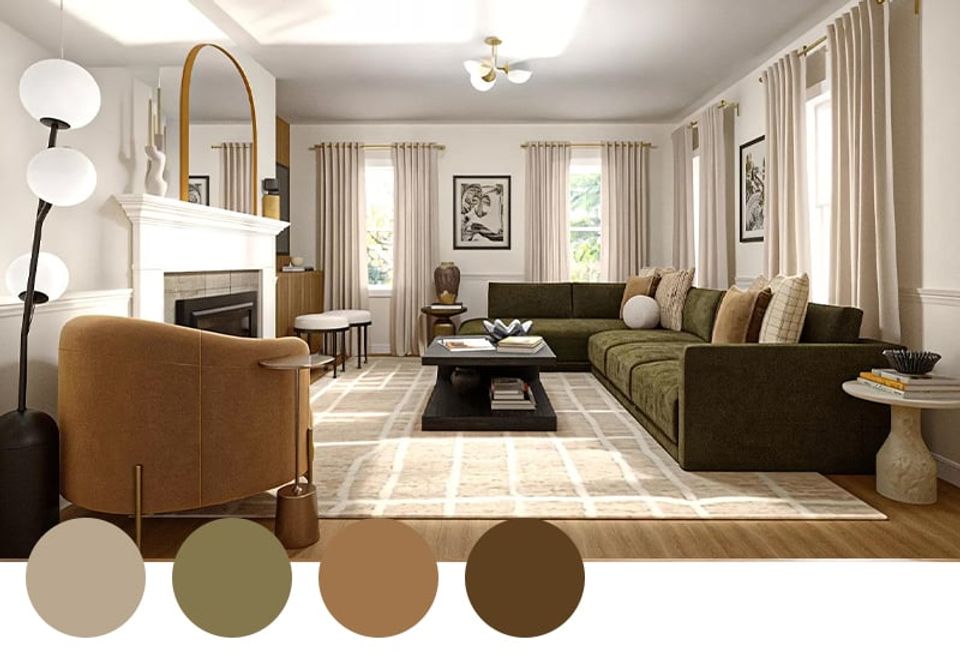
Olive green and light, warm brown are two of the biggest color trends of the last few years. Start with a base of neutrals like ivory and cream, then layer in olive and shades of fawn for a nature-inspired palette that gets better with time.
28. Pop of coral
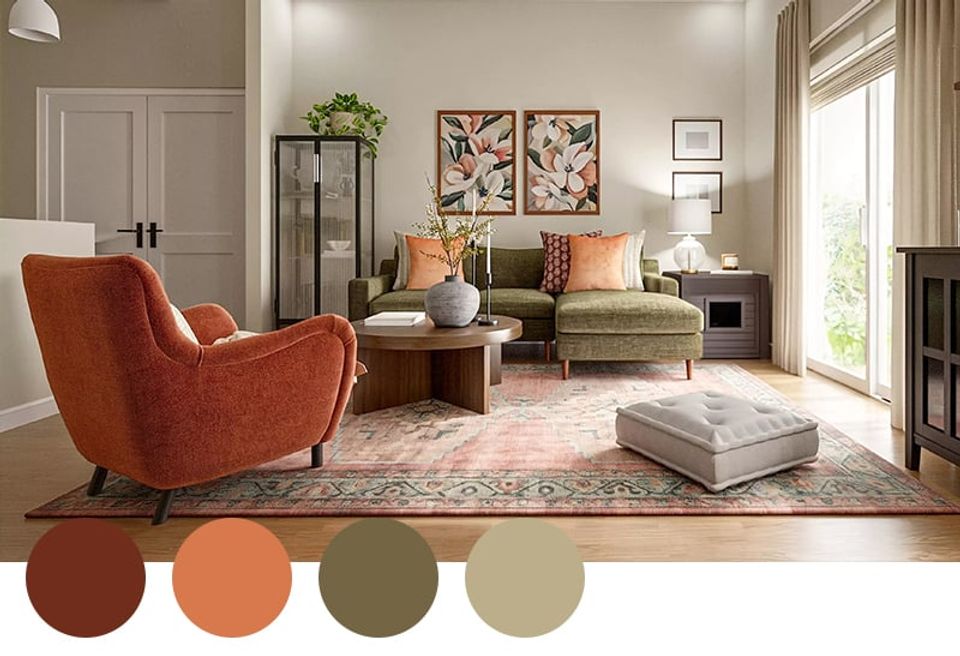
A punchy earth tone, coral adds a beautiful-yet-subtle pop of color. Pair it with shades of green, tan, and dark brown for a timeless palette that makes a statement without going overboard.
29. Gray, green, and brown
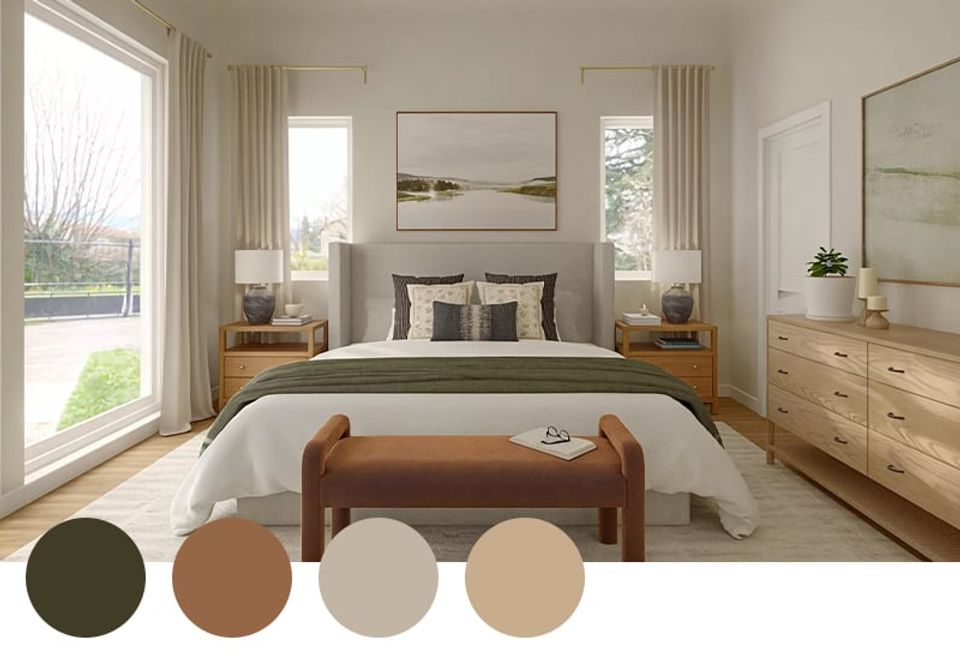
Used thoughtfully, earth tones like green and brown can function as punchy accents. Create a neutral backdrop with white paint, light oak, and gray upholstery, then add a striking green blanket and golden brown bench for a statement.
30. Shades of brown
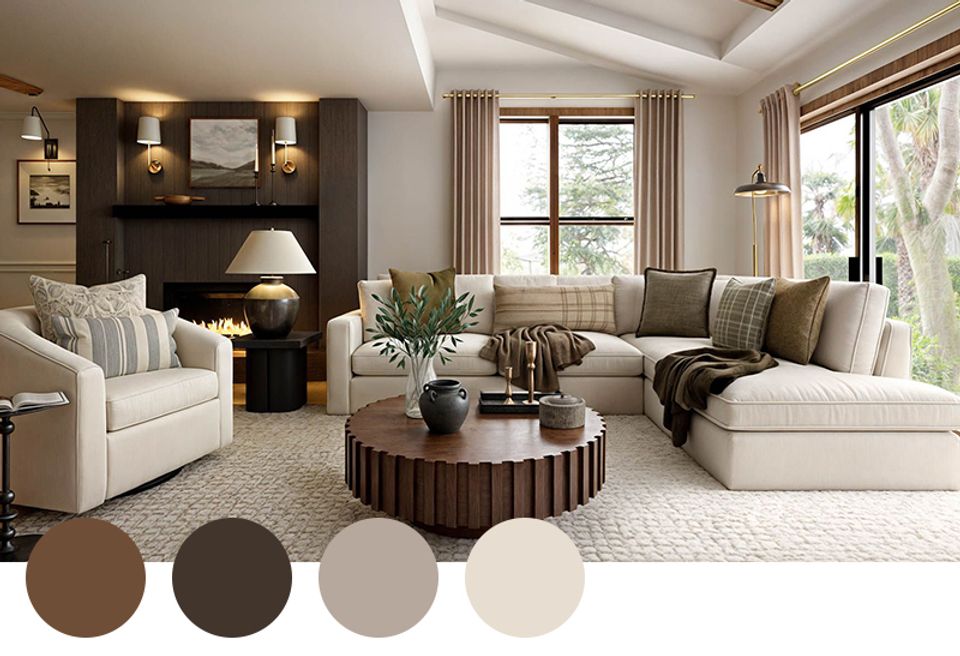
Off-white, beige, and shades of rich brown make for an inviting, nuanced palette. Set the stage with warm neutrals and bring in rich wood tones like walnut and teak to add depth and complexity.
31. Golden hour
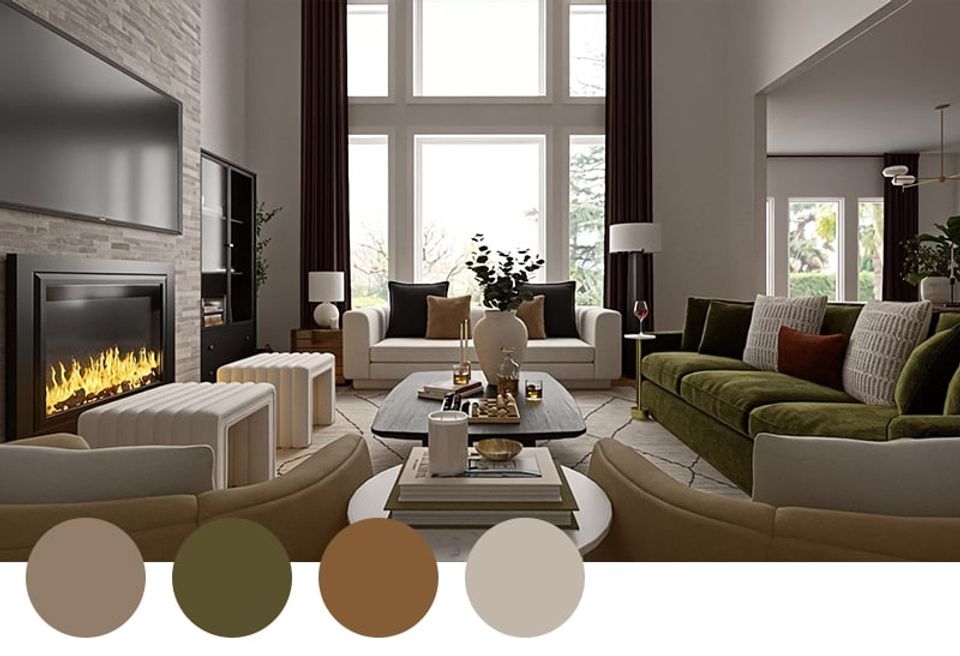
Channel the most inspired hour of the day with shades of golden wheat, burnt orange, and vibrant green with yellow undertones. Balanced with tan, white, and hints of black, this palette feels artful and modern.
32. Sage, ivory, and light oak
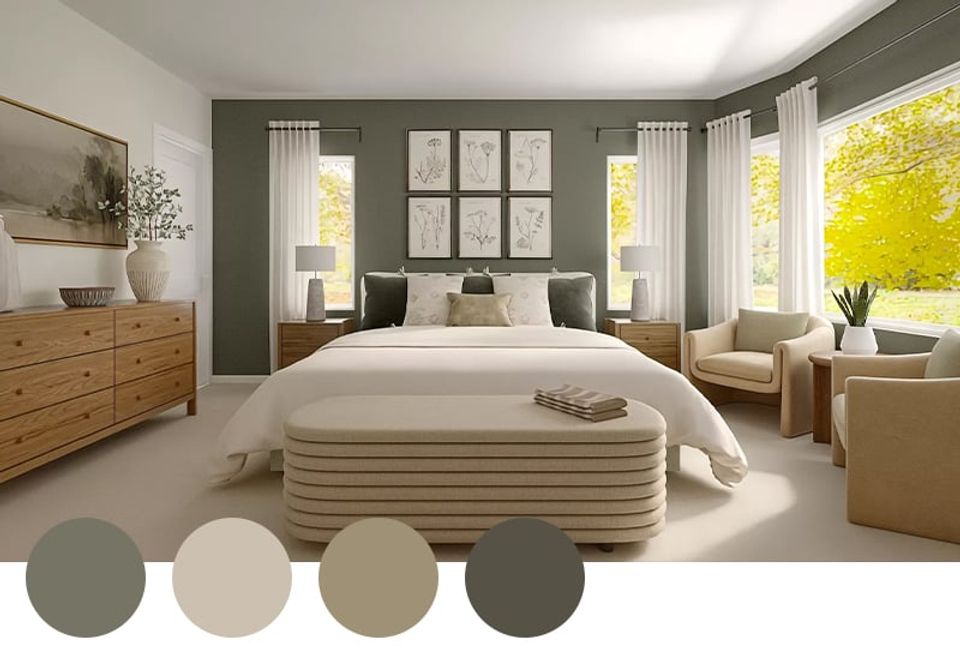
Sage green, ivory, and light oak is a foolproof combination that creates an organic modern–inspired look. Sage has been popular for 10 to 15 years now—proof that this palette is a safe, timeless choice.
33. Coastal blues
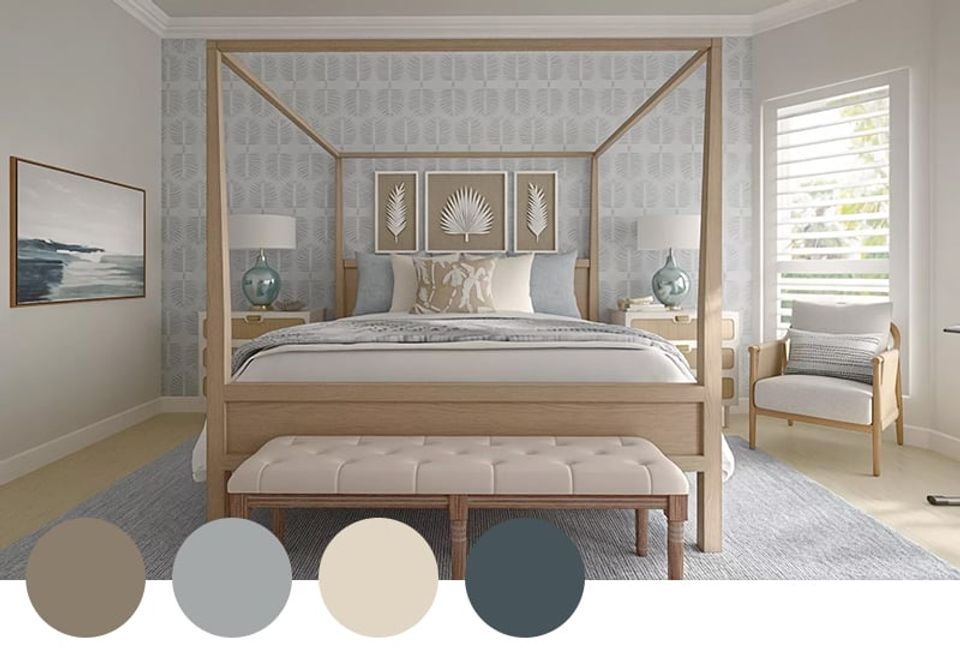
Light blue and white with light oak accents is a timeless palette that’s popular for a reason. This coastal look lends a breezy, laid-back feel to any space, regardless of whether or not you live near water.
34. Navy and brick
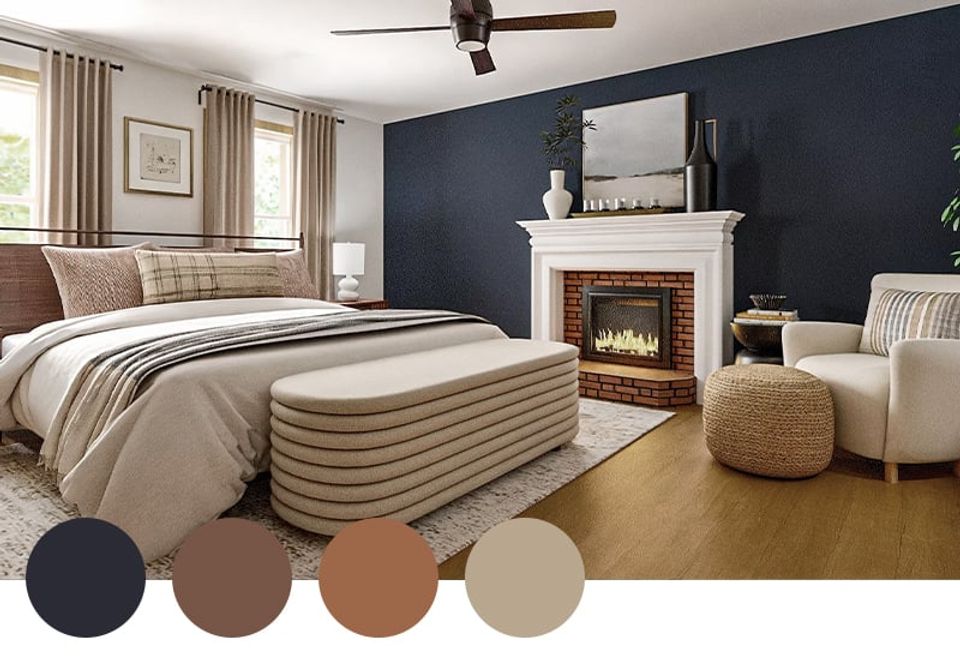
Cool navy blue with warm-toned brick and brown is always a safe bet. The two opposing temperatures create balance, especially when dialed down with classic neutrals like ivory, cream, and tan.
35. Pop of orange
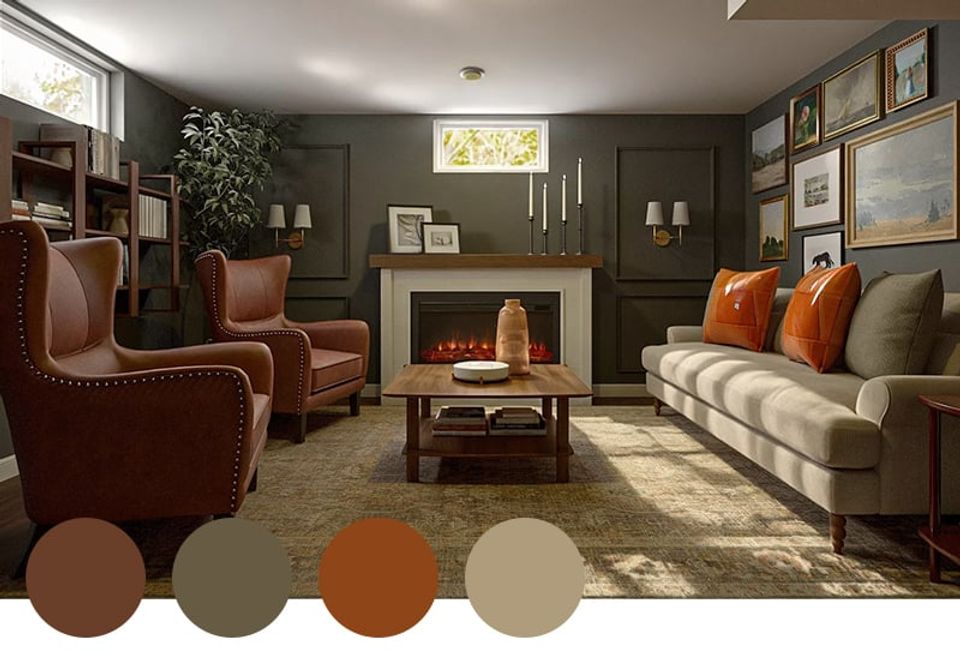
Vibrant orange has a place in earth-toned palettes, too. Play with shades of cognac brown and muddy olive green for a classic combination, then add a pop of full-bodied orange for a tonal, slightly unexpected accent.
How to use an earth-toned palette in your own space
Picking a palette is the easy part. Making it work in an actual room is where most people get stuck. A few rules from Toussaint that apply across every palette above:
1. Start with the largest surfaces, end with the accents. Walls, floors, and big furniture pieces set the temperature of the room. Pillows, art, and accessories add to the color story. If you pick your accent color first and try to make everything else work around it, you'll fight the room.
2. Pick a temperature and commit. Most of the palettes above are 70% one temperature and 30% the other. A warm-leaning room with one cool accent. A cool-leaning room with one warm pop. A 50/50 split between warm and cool tends to read as conflicted.
3. Texture matters more than you think. Earth tones can read flat if everything in the room has the same finish. Mix leather with linen, rattan with wool, jute with velvet. The palette stays muted, but the room stops feeling boring.
4. Three is usually the magic number. Most well-balanced earth-toned rooms have three colors plus a neutral base. More than that and the room gets busy. Fewer and it can feel under-decorated.
Want help finding the right palette for your home?
Picking an earth-toned palette from a list is one thing. Knowing which one will actually work with your sofa, your floors, and the light in your living room is another. That's the kind of decision a Havenly designer can make in about 10 minutes.
Take the Havenly style quiz—it takes 10 minutes and matches you with a designer who'll build you a complete room plan with an earth-toned palette that actually fits your space.
Not ready to commit? Try Havenly AI—snap a photo of your room and see it reimagined with a balanced earth-toned palette.
Frequently asked questions
What are earth tones, exactly?
Earth tones are colors with brown pigment mixed in. That's what gives them their muted, grounded quality. Common earth tones include terracotta, sage, ochre, cognac, dusty pink, olive, charcoal, and shades of brown. Because they all share that brown base, they tend to layer together easily without clashing.
Can you mix warm and cool earth tones in the same room?
Yes—and most well-balanced rooms do. The rule is to pick a dominant temperature (warm or cool) for the majority of the room, then bring in the other temperature as an accent. A warm-leaning room with one cool sage accent reads cohesive. A 50/50 split between warm and cool earth tones can read as conflicted.
How many earth tones should be in one room?
Three colors plus a neutral base is the sweet spot for most rooms. That gives you enough variation to feel layered without crossing into busy. If you're working with a larger open-concept space, you can usually push to four.
What earth tones go with white walls?
Almost everything. White walls are the most forgiving backdrop for earth tones—they let warm and cool tones both shine without competition. Sage, terracotta, cognac, charcoal, and dusty pink all work beautifully against white. The bigger question is what your floors and furniture are doing.
Are earth tones a trend or are they here to stay?
They've cycled in and out of mainstream design for decades, but the underlying colors—brown, beige, sage, terracotta, ochre—have been used consistently in homes for centuries. Currently, organic modern and warm minimalism have pushed earth tones back into the spotlight, but even when the trend cycles past them, the palettes won't read dated the way a once-trendy saturated scheme would.
What's the easiest earth-toned palette for beginners?
Start with a combination of sage, ivory, and light oak (palette 32 above). It functions as a neutral, looks intentional in any home style, and is nearly impossible to get wrong. Layer in cognac or brass accents and you've got a complete room.
Related reading with links:
- How to Mix Wood Tones Like an Interior Designer
- 16 Home Color Palette Ideas Curated by Interior Designers
- The Best Sage Green Paint Colors
- Organic Modern Style: A Complete Guide
This story was originally published on February 10, 2025. It was updated on May 22, 2026.
