How to Hang Curtains Like an Interior Designer: 5 Simple Steps
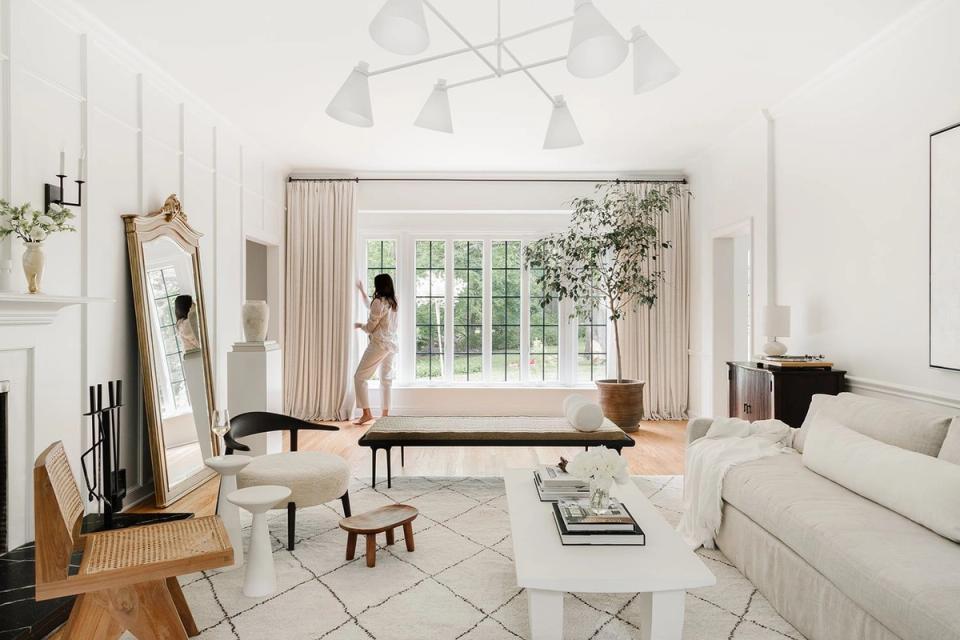
From how to curate living room flow to how to hang light fixtures, we get asked a lot of Design-101 questions that seem basic, but make an outsized difference. How to hang curtains is near the top of that list.
What looks easy is actually a little tricky, whether you're working with dramatic pinch-pleat drapes or budget-friendly sheers. And curtains aren't optional: skip them and a room reads unfinished and exposed. Below, Havenly designer Brady Burke shares his five-step approach to hanging curtains like a pro.
Step 1: Measure twice
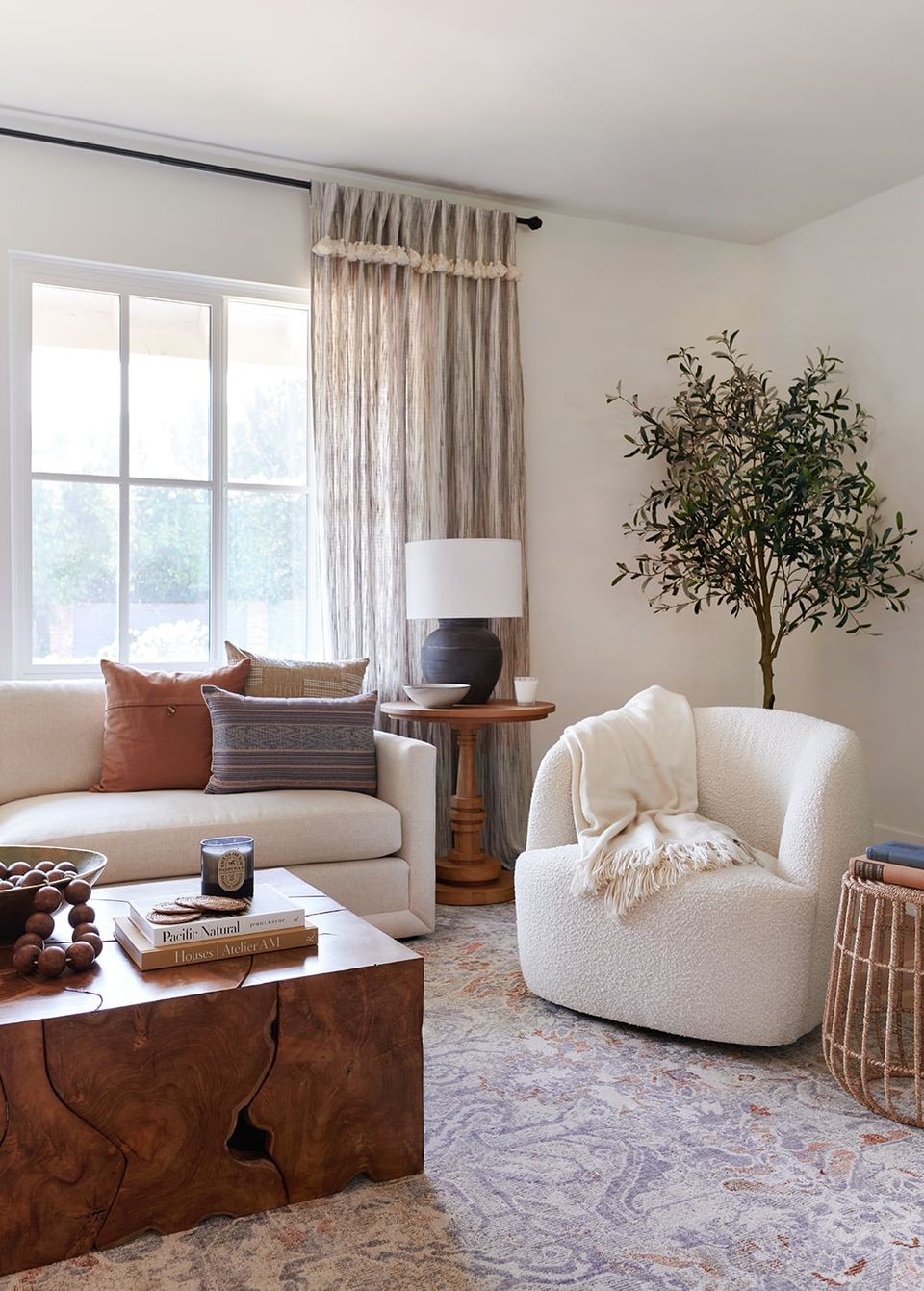
Measure at least twice before you buy anything. Start with your ceiling height and window width to figure out the right panel length. Using ceiling height as your guide, choose the longest drape that works—longer panels make a room feel taller.
When it comes to width, mount the rod wider than the window—it should be at least six inches past the frame on each side. To fill that extra space and get a full, luxe look, double up on panels or size up the width. Going high and wide is the single best trick for making a room feel bigger and drawing the eye up.
Step 2: Choose fabric and lining for the light you want
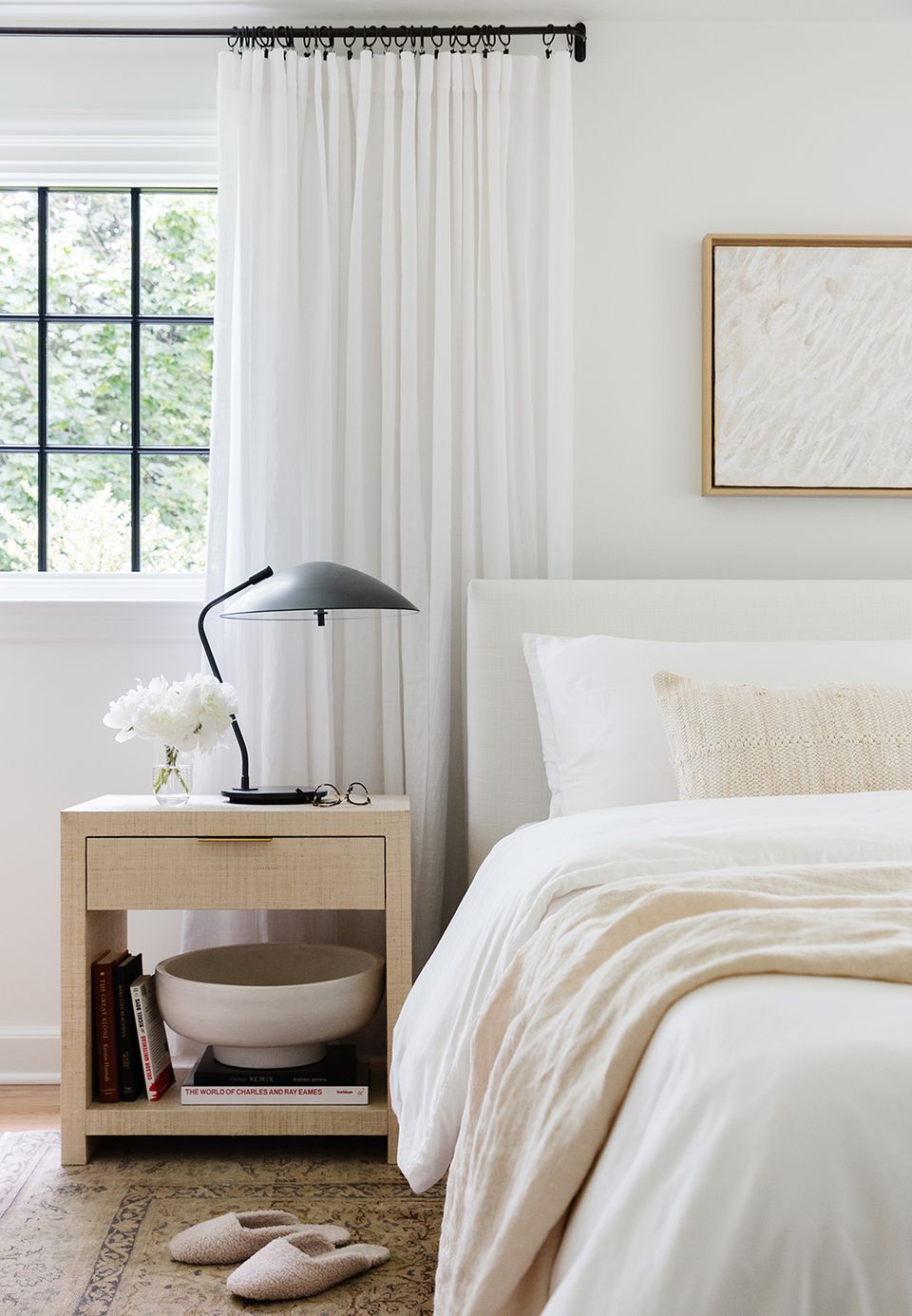
With measurements done, move on to the curtains themselves. You have three basic fabric options: sheer, light-filtering, and blackout. To keep a living room bright and airy, sheer or unlined panels are best. Blackout and cotton-lined curtains belong in bedrooms and home offices where you want control over the light.
Fabric sets the tone for aesthetics, too. Natural materials like linen, cotton, and hemp read casual and relaxed, while velvet leans more formal. The heading does similar work: pinch and box pleats feel classic and polished, while grommet and ripple-fold feel more laid-back.
Step 3: Pick your curtain style
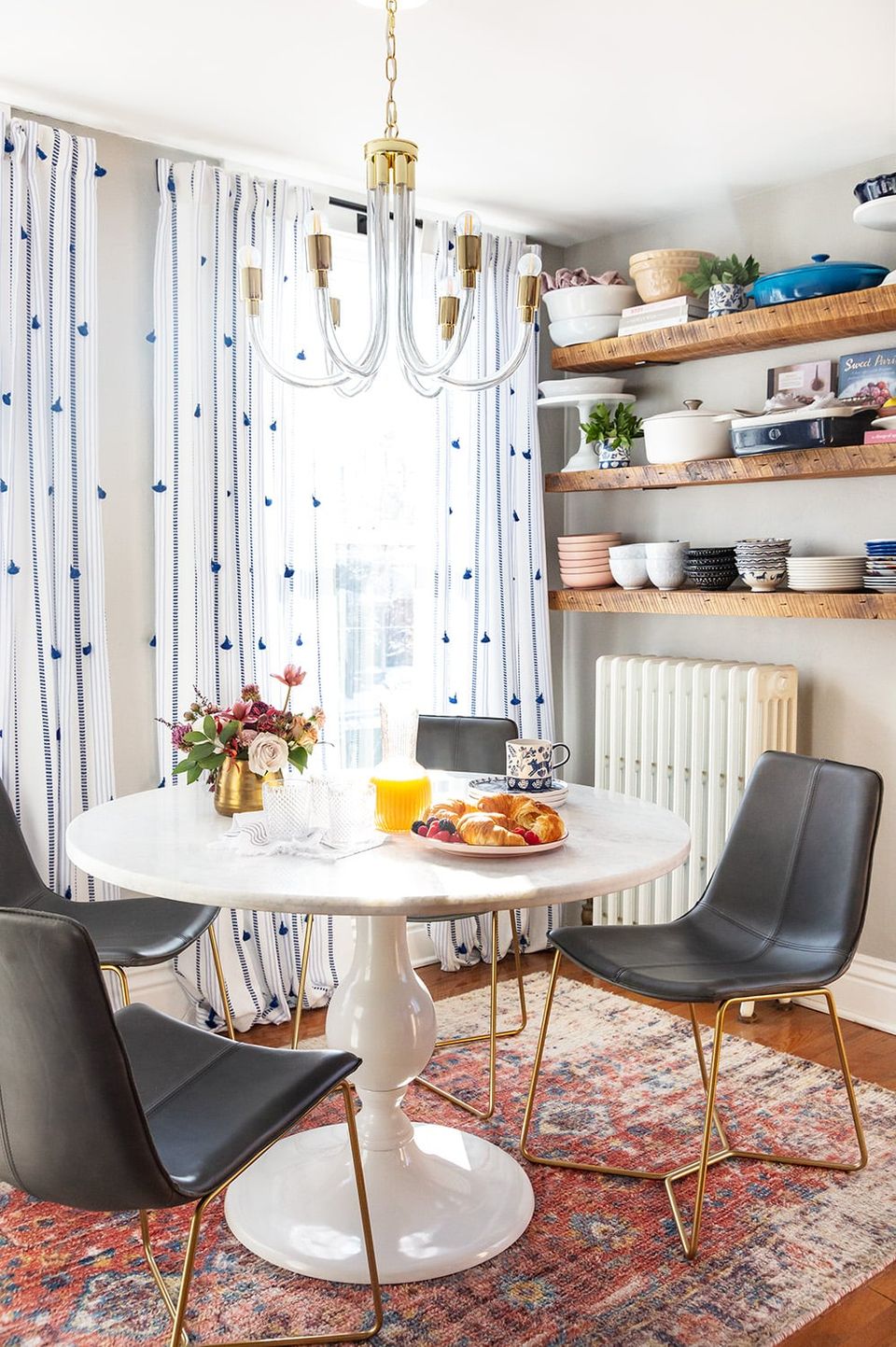
Next, decide how the curtains attach to the rod. The most casual option is a back-tab or rod-pocket panel, where you slide the rod through a loop at the top. Grommet curtains, with metal rings sewn into the header, are just as fuss-free, but we'd steer you toward back-tab for a more finished look.
Want to elevate things further? Clip-on drapery rings or back-tab hooks with round rings add a little polish and, bonus, make opening and closing the curtains much easier.
Step 4: Choose your hardware
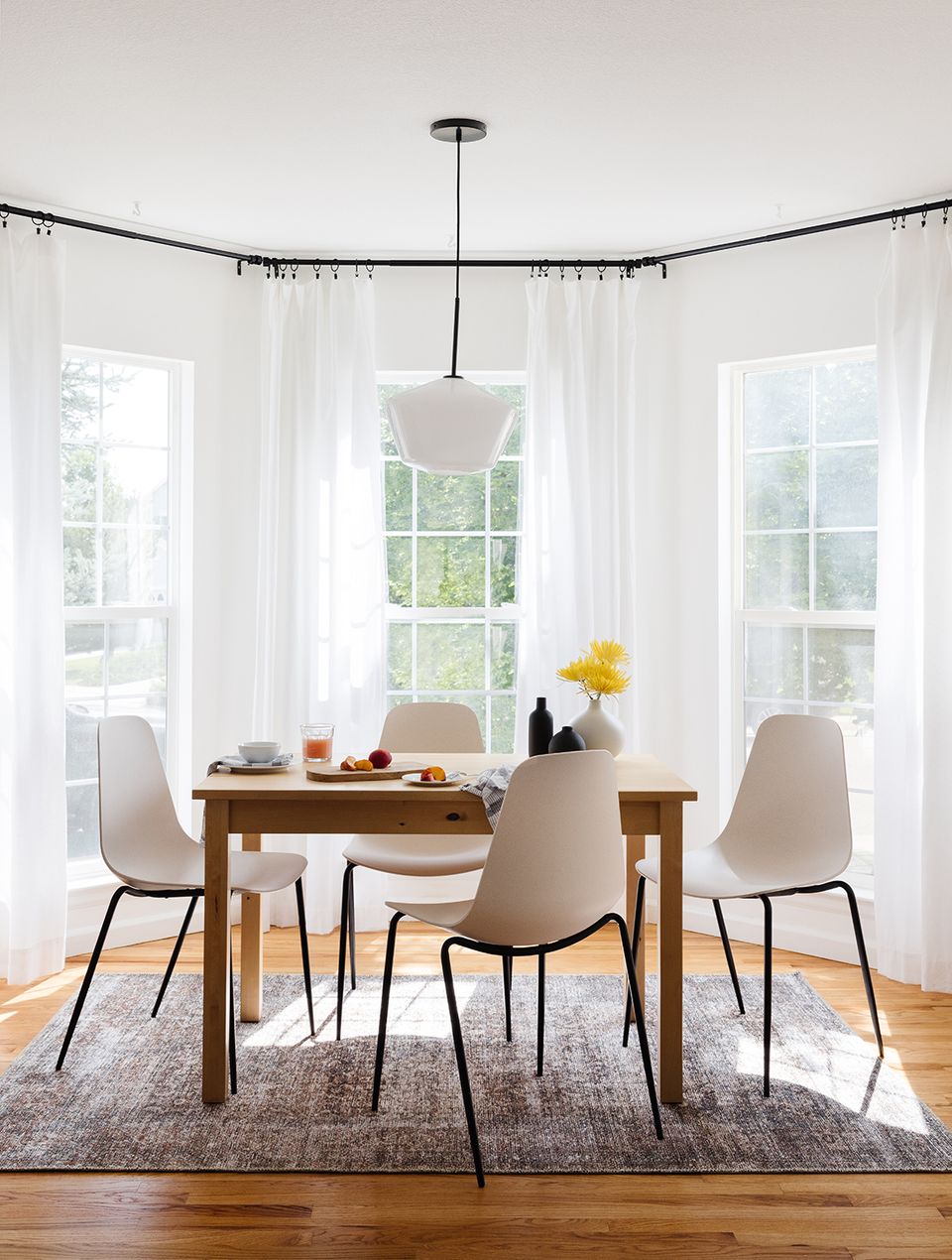
Hardware arguably makes more of a statement than the curtains. The good news: choosing it is mostly about looks. One rule of thumb is to use a thicker rod with a center mount for heavier fabrics like velvet. For sheers and cotton-lined panels, any style works.
For finish, echo something else in the room so it feels cohesive—a matte-black rod to match a black pendant light, for example. Or commit to a house rule: all lighting in one finish (say, brass) and all curtain hardware in another (matte black) for consistent, intentional contrast throughout your home. If you're already adding an architectural detail like wall moulding, pick a finish that complements it.
Step 5: Install high and wide
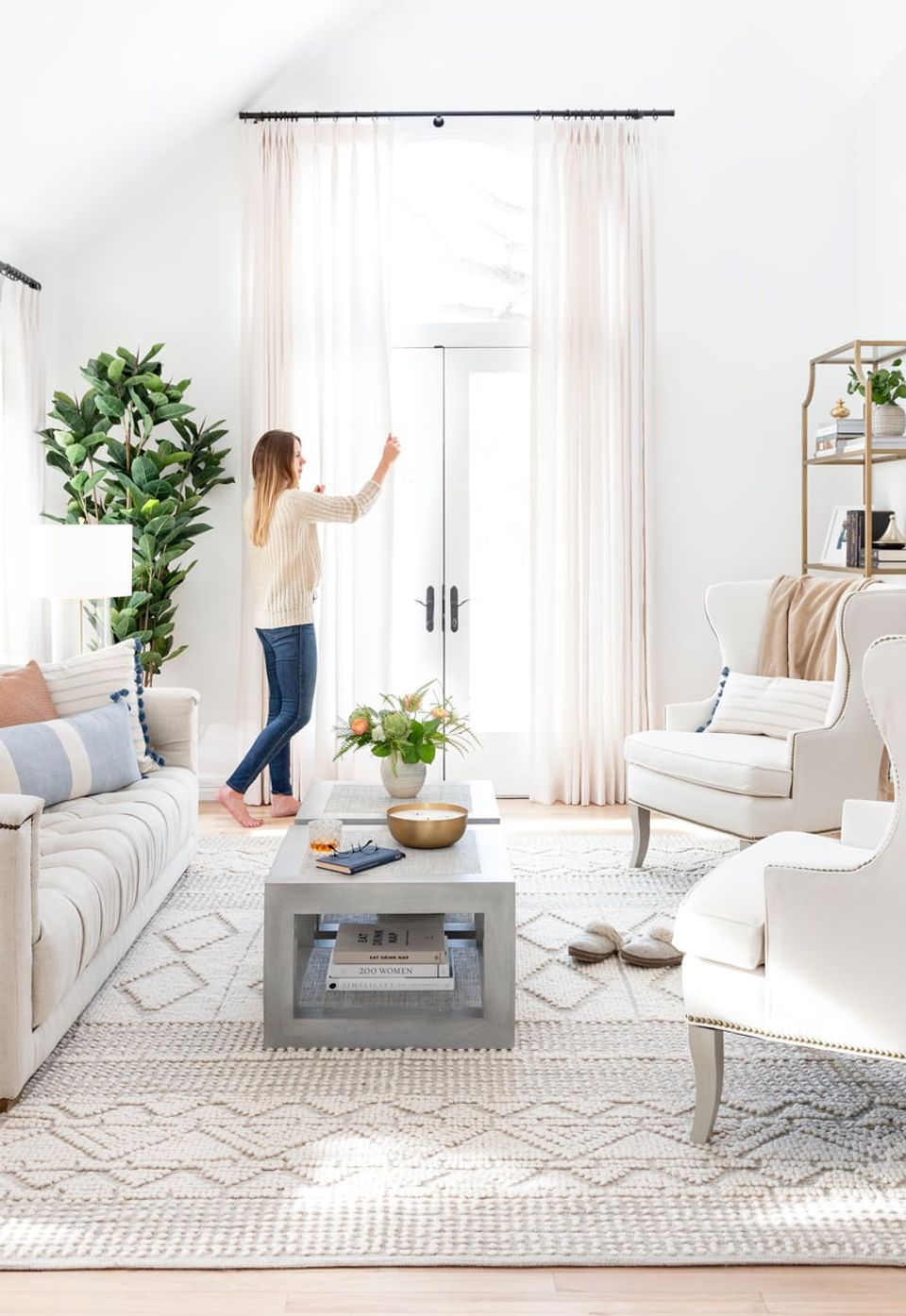
Now for the main event. Grab a friend, since this part is much easier with two people.
String one panel onto the rod and hold it against the wall to mark the right height. Your panels should gently kiss the floor, not puddle and not float (high-waters are a designer no-no). With a level, mark your height in pencil across all brackets.
Using a drill, install the brackets high and wide with the provided hardware. Hang the panels, then set the rod into the brackets. If you're using a French-return rod, unscrew the center pole, hang your panels, and reassemble. Done.
Frequently asked questions
How high should you hang curtains?
Higher than you think. Mount the rod about two-thirds of the way between the top of the window frame and the ceiling, or just a few inches below the ceiling in rooms with standard heights. Hanging high tricks the eye into reading the window, and the whole room, as taller.
How wide should a curtain rod be?
Extend the rod at least six inches past the window frame on each side, more if you can. This lets the panels stack off the glass when open, so they frame the window instead of blocking light, and makes the window look larger.
Should curtains touch the floor?
Yes. Panels should just kiss the floor for a clean, tailored look. A slight break (about half an inch of fabric resting on the floor) reads relaxed and is the most forgiving. Save dramatic puddling for formal spaces, and avoid panels that float above the floor entirely.
How many curtain panels do I need per window?
For a full, gathered look, you generally want enough fabric to total two to two-and-a-half times the width of your window. For most standard windows that means two panels; for wide windows or sliding doors, plan on more.
Sheer, light-filtering, or blackout: which should I choose?
Match the curtain to the room. Sheers keep living rooms and dining rooms bright and airy. Light-filtering panels soften daylight without going dark. Blackout or cotton-lined curtains are best for bedrooms, nurseries, and media rooms where you want real light control.
Want a designer to handle the details?
Curtains are one of those finishing touches that quietly make or break a room. If you'd rather not eyeball the measurements, a Havenly designer can spec the exact panel length, width, and hardware for your space.
Take the Havenly style quiz—it takes about 10 minutes and matches you with a designer who'll build a complete, shoppable plan for your room.
Not ready to commit? Try Havenly AI—snap a photo of your space and see it styled with the right window treatments before you buy.
Related reading
• Living Room Layout Ideas From Interior Designers
• How to Hang Light Fixtures the Right Way
• 7 Wall Moulding Ideas Interior Designers Love
• How to Find Your Interior Design Style
