7 Wall Moulding Ideas Interior Designers Love
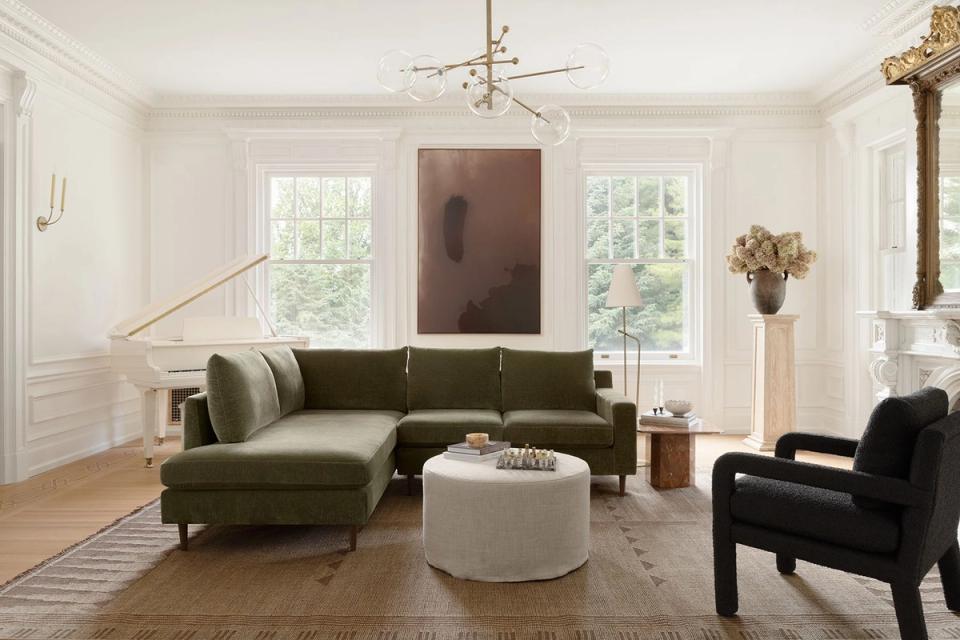
From ornate, floral wallpaper to fringe to crystal chandeliers, traditional design has been one of the biggest trends in the industry lately. So it's no surprise that wall moulding is on the rise too.
Defined as "any finish or decorative wood detail added to a wall," wall moulding is "a designer favorite that isn't going anywhere," says Havenly designer Brady Burke. In fact, our team believes wainscoting, board and batten, picture moulding, and the like will slowly edge out the once-ubiquitous painted accent wall. "Often called trim or millwork, wall moulding elevates a space and adds far more character and charm than paint," he adds.
Below, find our breakdown of the different types of wall moulding, plus the wall moulding ideas that never go out of style.
What is wall moulding?
Wall moulding (also spelled molding) is any decorative wood detail applied to a wall, ceiling, or the joints between them. It goes by a few names, trim and millwork among them, but they all describe the same thing: added architectural detail that gives a flat, builder-grade wall texture and character. Some moulding is purely decorative; some, like baseboard moulding, is also functional.
Crown and baseboard moulding
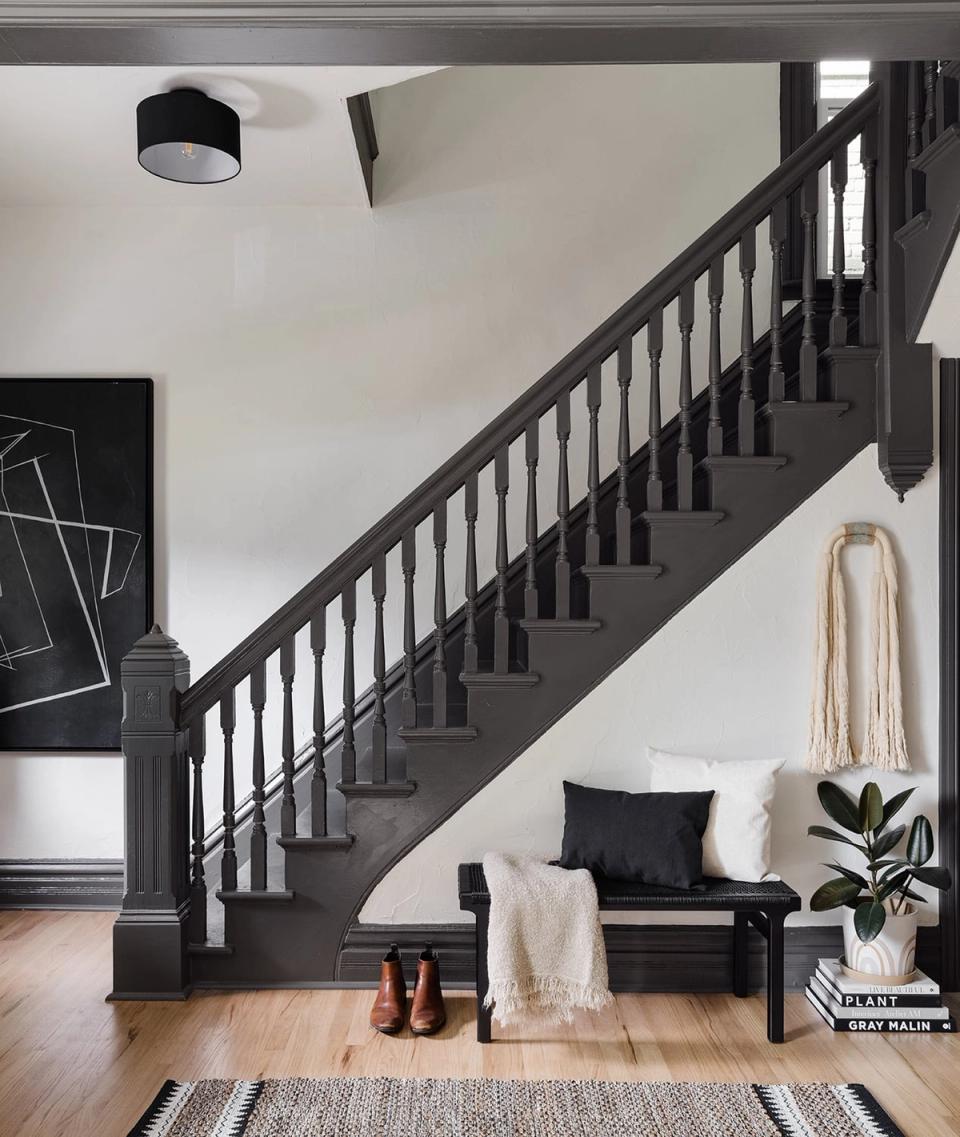
Crown and baseboard are the two most common types of moulding. Crown moulding is applied where the walls meet the ceiling to add decorative detail. It's also used to close the gap between upper cabinets and ceilings in kitchens and storage spaces for a more custom, built-in look.
Baseboard moulding is both decorative and functional. It sits where the wall meets the floor to cover the often-uneven joint, and it protects the bottom edge of the wall from scuffs, water, and general wear.
Wainscoting
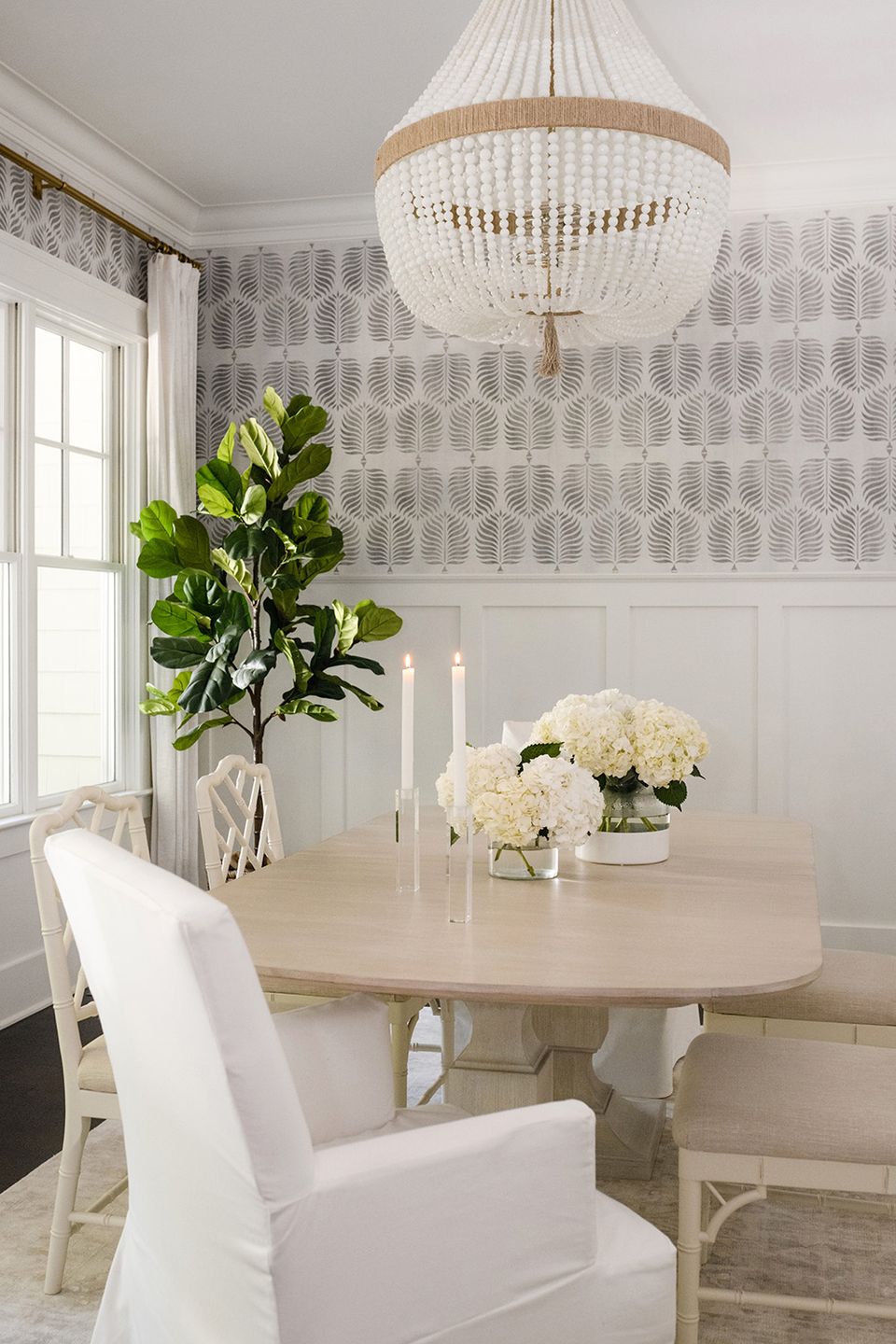
Wainscoting is a very traditional type of moulding that's been used for centuries. Historically, it was added to high-traffic spaces like dining rooms to protect the walls and add insulation from heat, cold, and noise. It typically runs one-third to one-half of the way up the wall and is capped with a larger trim piece (like a chair rail) to finish the edge. Today, it's used throughout the home to add a classic feel and enhance a room's architecture.
Board and Batten
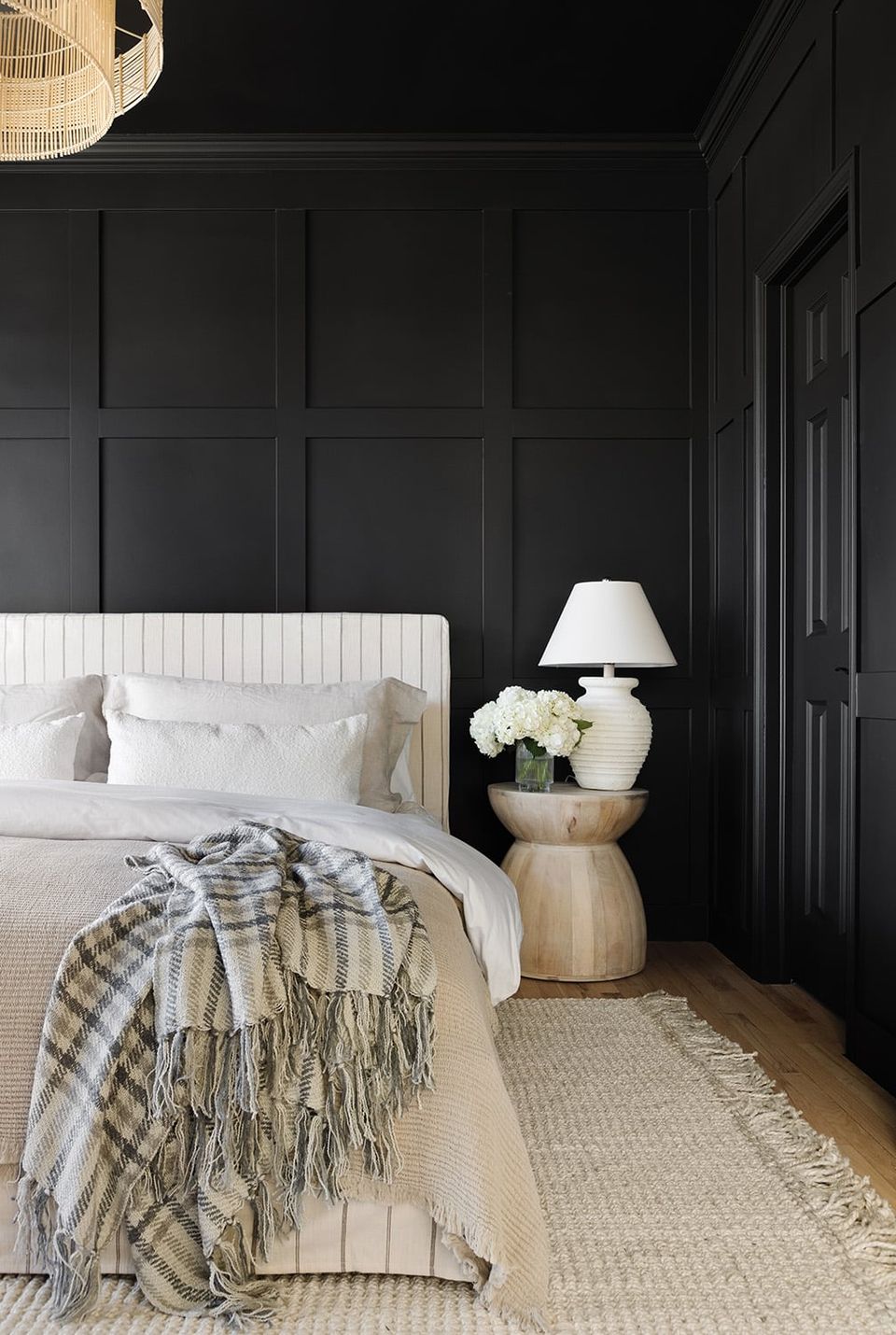
Originally used on home and barn exteriors, board and batten uses alternating narrow strips and wider panels to create a layered, geometric pattern. The vertical strips once covered panel seams for more energy-efficient siding; today, it's almost entirely decorative, and you'll find it in every room of the house. It reads more rustic and laid-back than intricate styles like picture frame moulding.
Picture frame moulding
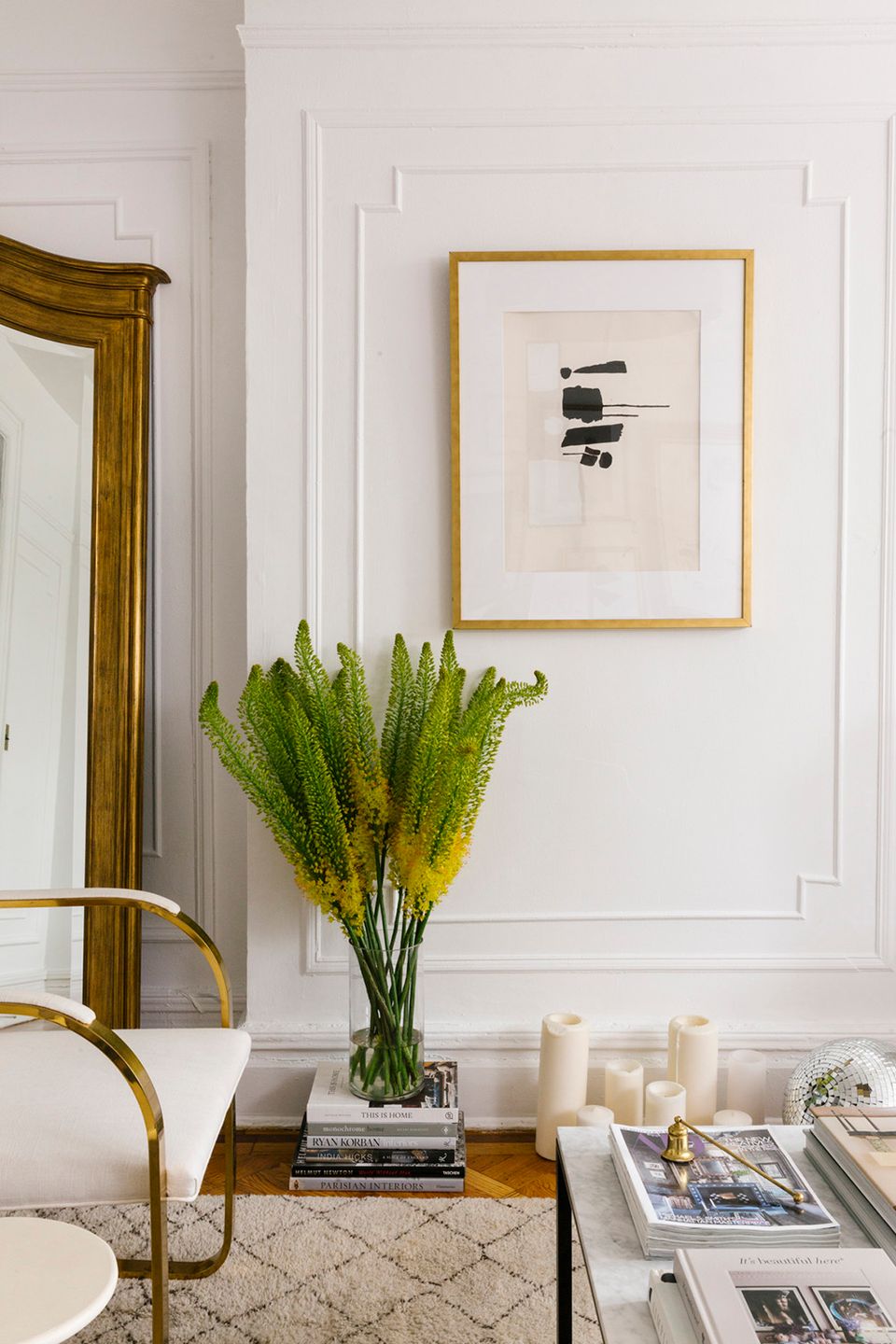
One of our personal favorites, picture frame moulding is purely decorative and easy to install. Using a minimum of four pieces of quarter- to two-inch trim to create a framed effect on the wall, this style draws the eye upward and breaks up large, empty walls. Keep it simple, or vary the trim size, detailing, and placement for more visual interest. Either way, it adds old-world character to any space.
Shiplap
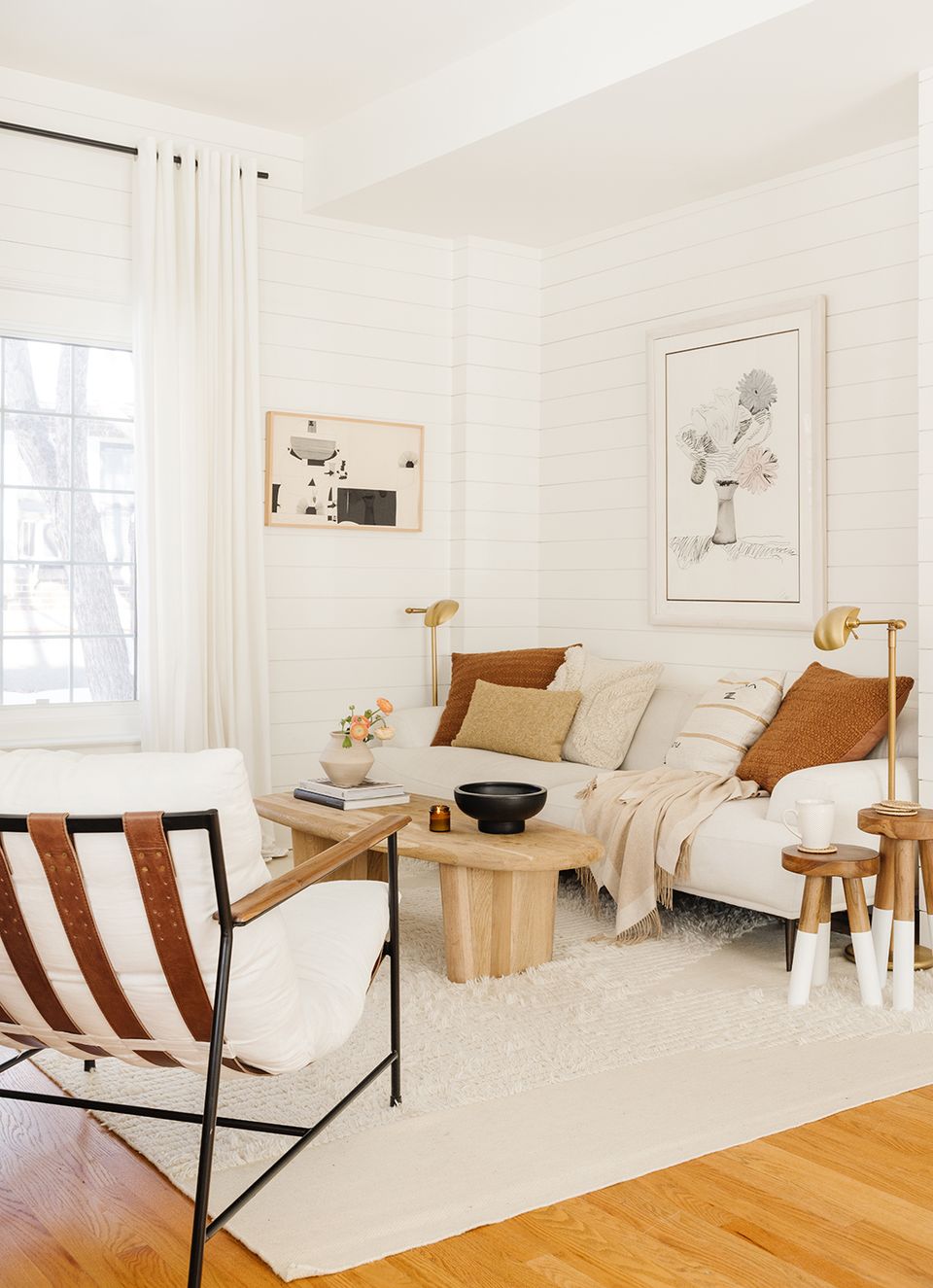
Though it was designed for exterior use, shiplap's modern application falls under the wall-moulding umbrella. The term refers to the specific wooden boards once used to build ship decks and line interior walls before plywood and drywall. Thanks to the modern farmhouse boom of the 2010s, shiplap is now an affordable, go-to way to add subtle rustic detail indoors.
Not sure which type of moulding suits your space, or how to lay it out? Take the Havenly style quiz—it takes about 10 minutes and matches you with a designer who'll map out a plan for your room.
How & When To Add Wall Moulding
Fill Large, Blank Walls
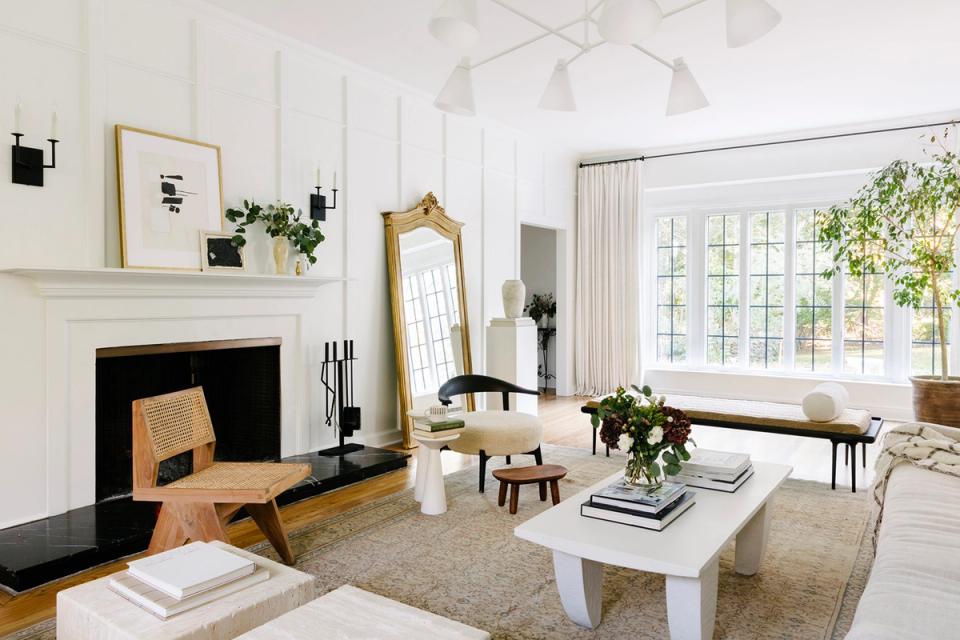
Decorating a big, empty wall is daunting for pros and beginners alike. Instead of building an elaborate gallery wall, painting an accent wall, or hanging wallpaper, moulding adds interest, subtle pattern, and character in one single move. Bring in lighting and a single mirror or piece of art and the look is complete—no extra shelving or decor required.
Add detail to small spaces
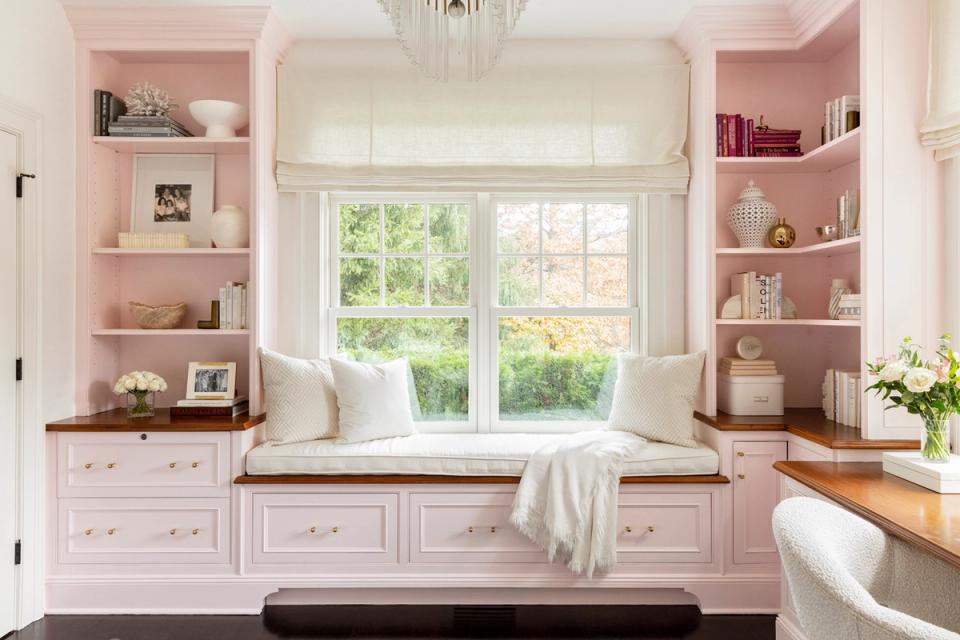
Small spaces like hallways, stairways, and bathrooms are perfect candidates for wall moulding. Wainscoting lining a long hallway adds the right amount of detail where furniture isn't an option. Picture moulding climbing a staircase is an easy way to dress up hard-to-decorate vertical walls and crown moulding and trim finish off a powder room.
Give new builds character
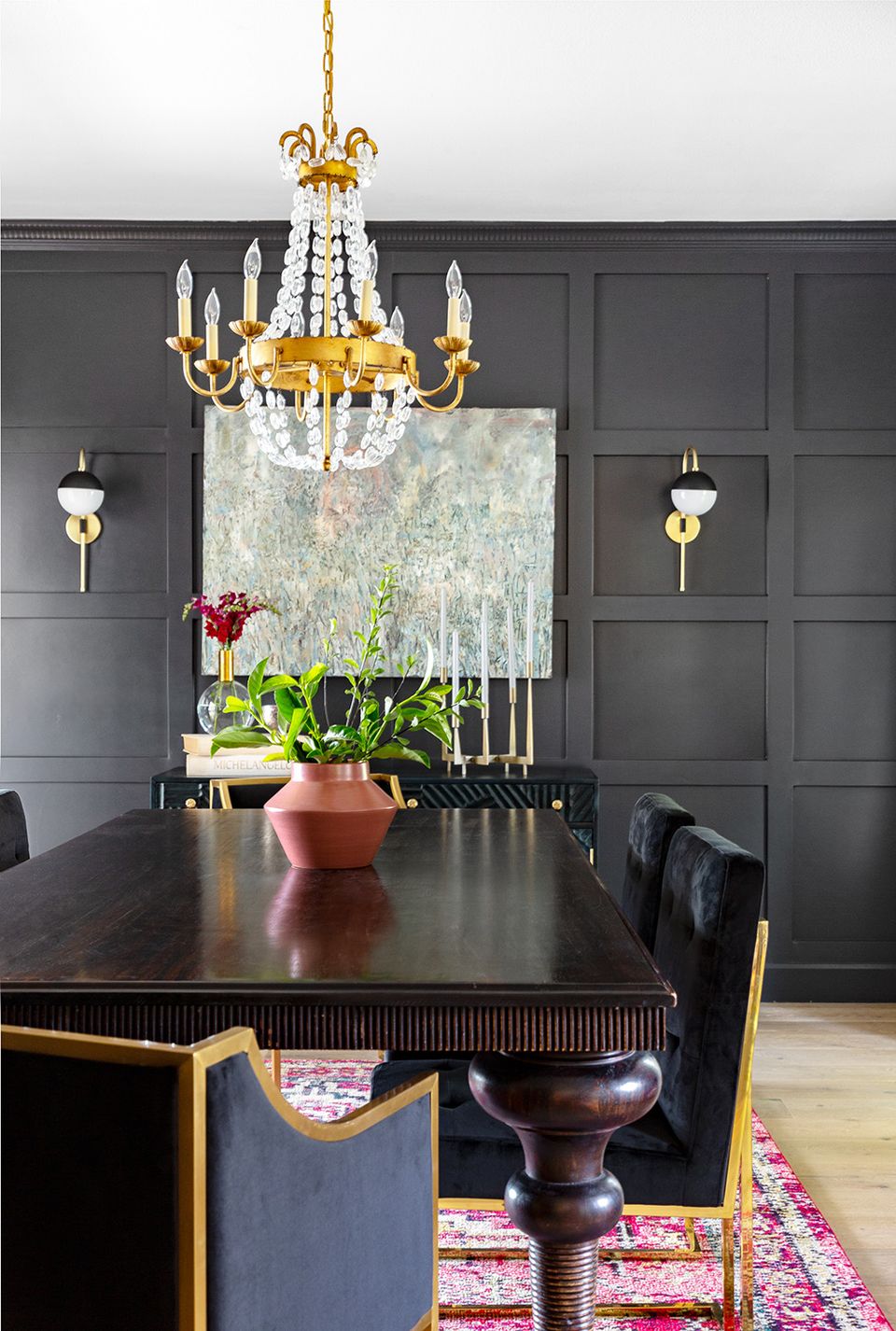
Many new builds skip the classic architectural details that add charm, leaving a lot of bare drywall that can feel cold and flat. Adding crown moulding to new construction is an efficient, relatively low-cost way to give a brand-new home personality.
Differentiate rooms in open-concept homes
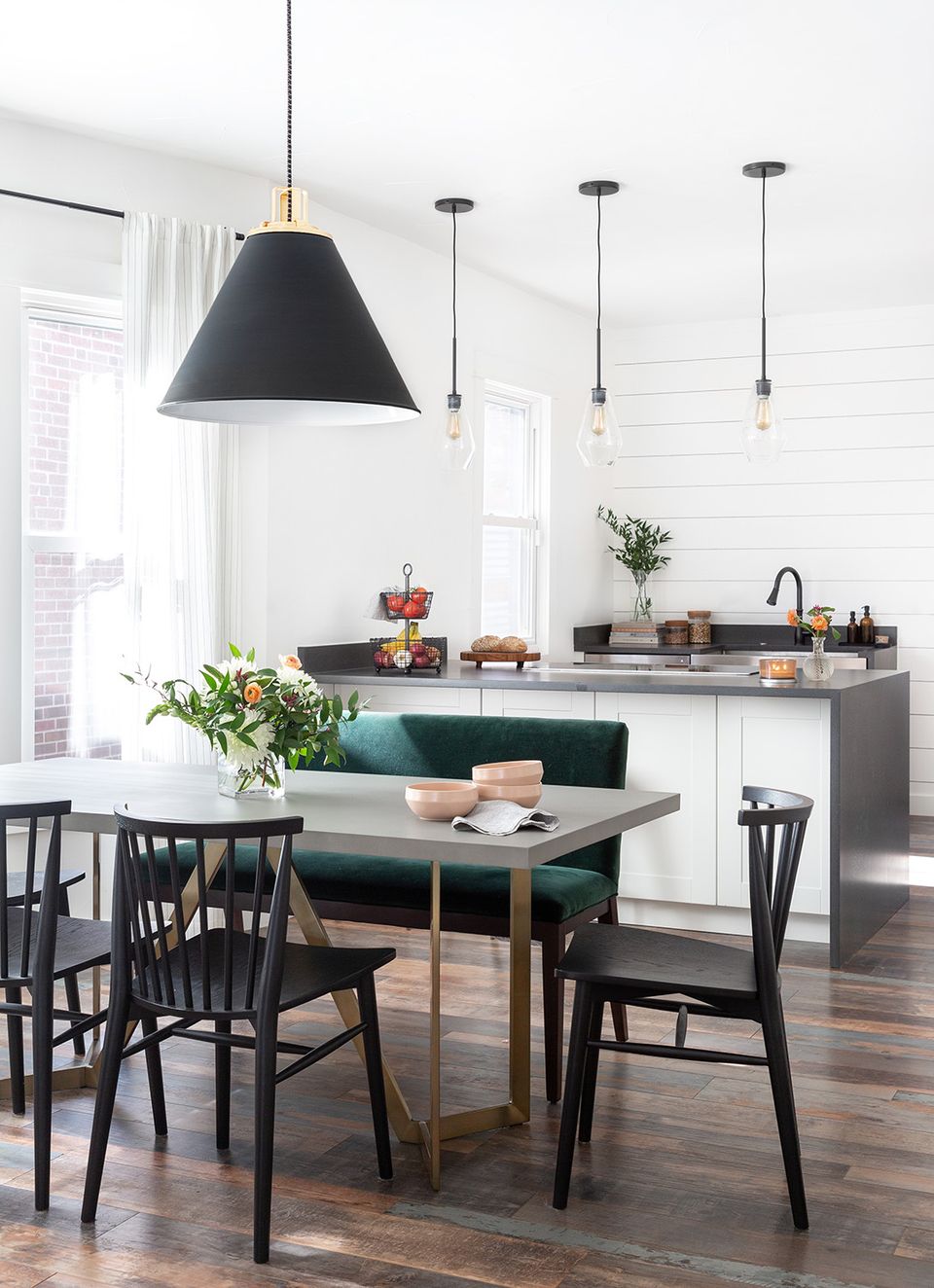
In an open floor plan, you can use paneling, shiplap, or wainscoting to define separate zones. Shiplap in the kitchen sets it apart from the adjacent dining area, while picture moulding around a living room fireplace creates a proper focal point.
Make high-traffic spaces more durable
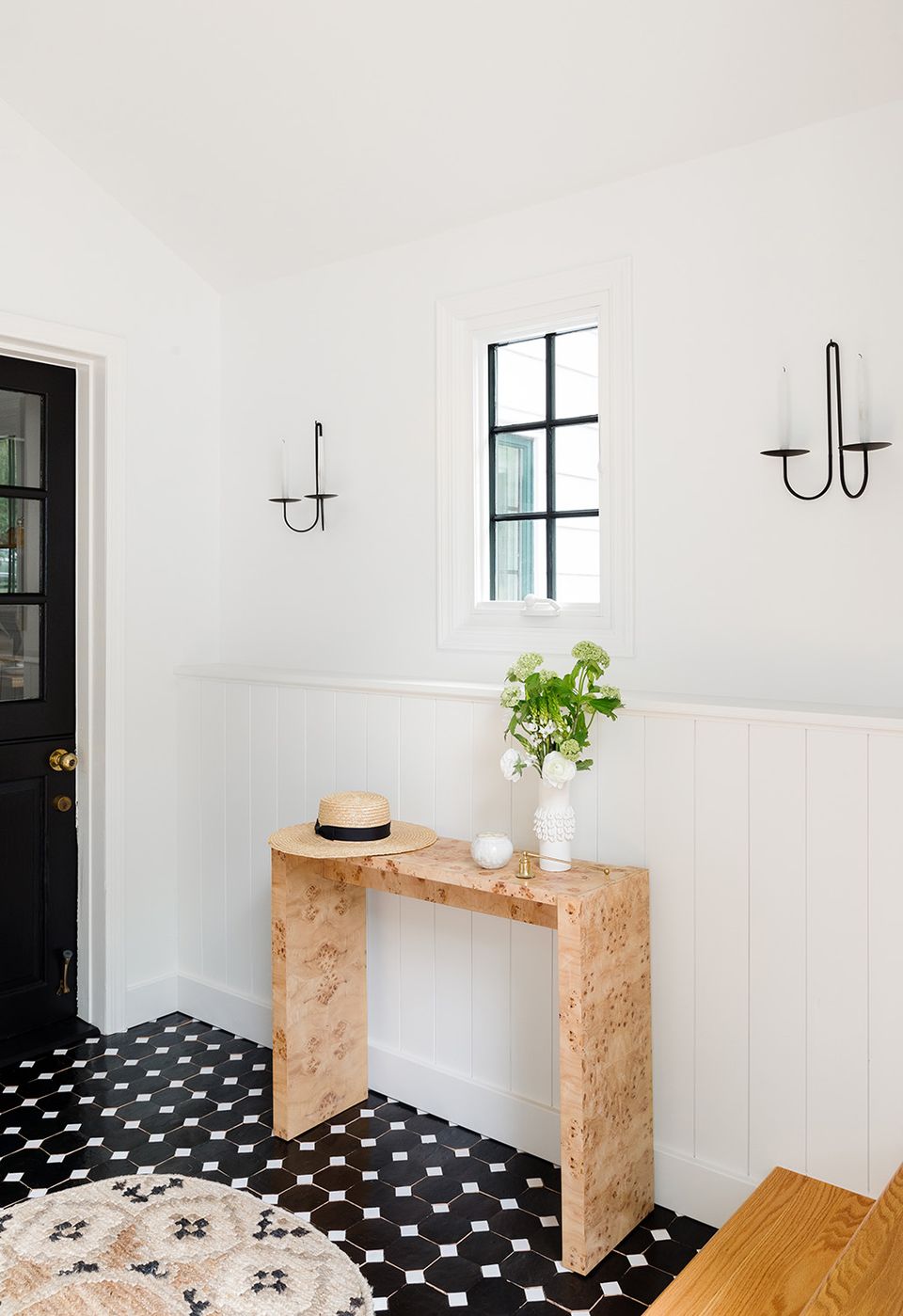
In entryways, mudrooms, and hallways, lean into moulding's traditional, functional role. Wainscoting and shiplap add long-term durability and help fend off scuffs, dust, and dirt.
Lock out moisture
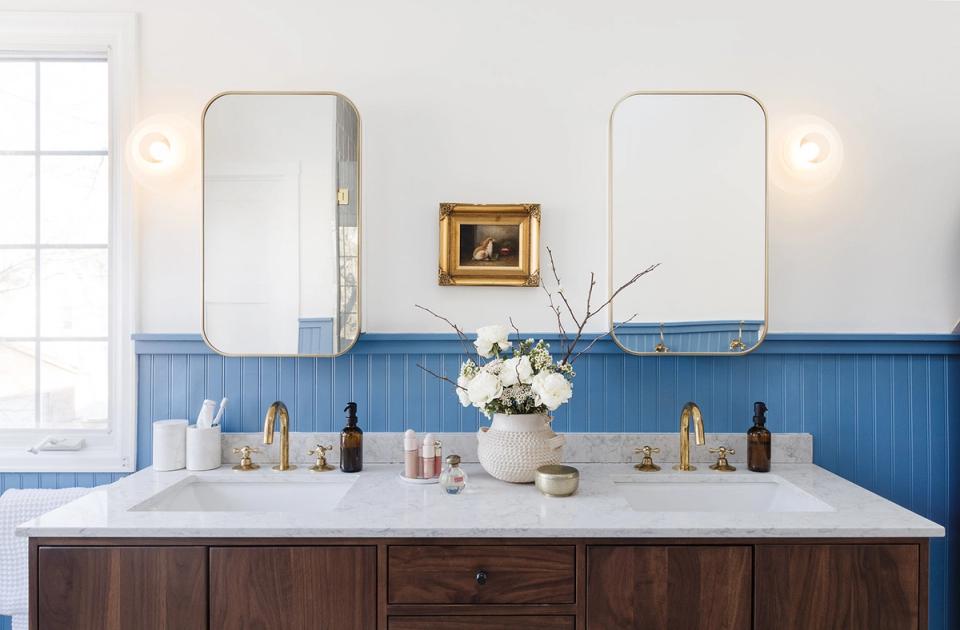
Moulding also adds protection in high-moisture areas like bathrooms, laundry rooms, and kitchens. Simple wood panels capped with a chair rail around a tub or behind a washer and dryer help lock out moisture and prevent water damage.
Add detail to ceilings
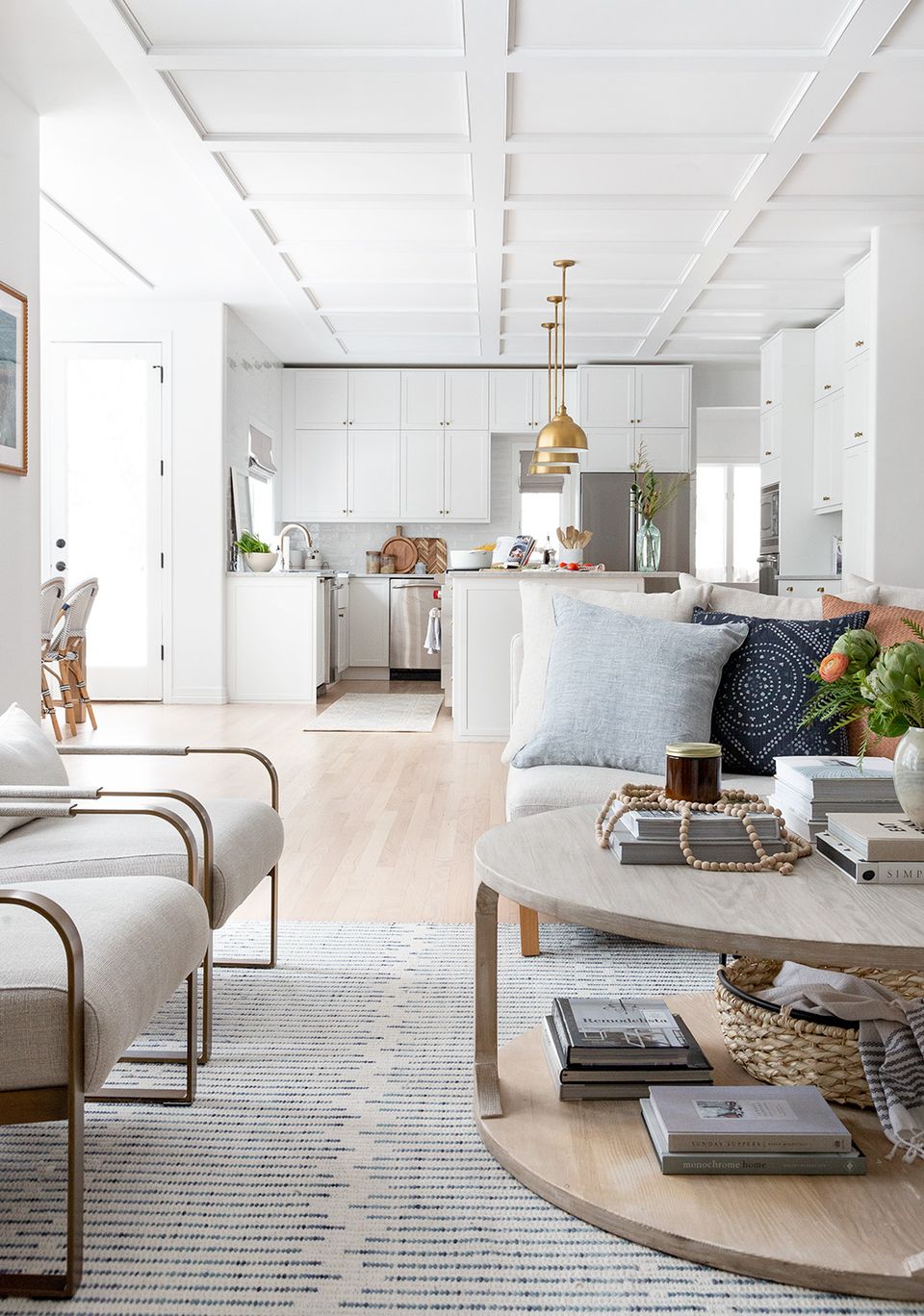
Don't forget the fifth wall. Like ceiling wallpaper, woodwork and paneling overhead draw the eye up and add even more subtle character to a room.
Frequently asked questions
What is the difference between moulding and trim?
The terms are often used interchangeably. "Trim" is the broad category for any material used to finish edges and transitions (around doors, windows, floors, and ceilings), while "moulding" usually refers to the decorative, profiled wood pieces within that category. Millwork is another catchall term for the same family of details.
Is wall moulding still in style?
Yes, and it's gaining ground. As traditional and classic design have come back, moulding has become one of the most-requested ways to add architectural character, and because it's a permanent, built-in detail rather than a trend color, it tends to age well.
What rooms are best for wall moulding?
Almost any room benefits, but moulding shines in dining rooms, entryways, hallways, stairways, and bathrooms—anywhere you want added detail without furniture. It's also a smart fix for large blank walls and character-deficient new builds.
Can you add moulding to a rental?
Often, yes, with low-commitment options. Peel-and-stick or adhesive trim and removable picture-frame kits can mimic the look without nails or permanent changes. Always check your lease first, and consider lightweight materials you can patch and paint over when you move out.
What's the difference between wainscoting and board and batten?
Wainscoting is a broad term for paneling on the lower portion of a wall, traditionally capped with a chair rail. Board and batten is one specific style, alternating wide panels with narrow vertical strips, that can run partway or all the way up the wall. Think of board and batten as one type of wainscoting treatment.
Want help adding character to your space?
Moulding is one of the highest-impact upgrades you can make, but choosing the right style and layout is where most people get stuck. A Havenly designer can spec the type, placement, and paint color so it looks intentional, not added-on.
Take the Havenly style quiz and get matched with a designer who'll build a complete plan for your room.
Not ready to commit? Try Havenly AI—snap a photo of your space and see it reimagined with moulding and millwork before you pick up a single board.
Related reading
• Wainscoting Ideas to Add Character to Any Room
• Accent Wall Ideas Designers Actually Love
• Painting Walls and Trim the Same Color: The Monochrome Look
• Modern Farmhouse Design Ideas
